
Food and drink
Royal wines
From Ribera del Duero to Malaga muscatel, a look behind the scenes at the strictly confidential wines gracing Spanish state banquets
Andrew J. Linn
In one of the most important wine-producing countries in the world it is hardly surprising that efforts are made to differentiate purely administrative matters from what occurs in the bar on the corner or the local supermarket. We know that super-wine-woman Jancis Robinson holds the key to Britain’s Royal Cellars, not literally of course, although she possibly really does, as it falls to her and a small group of helpers to select the wines that are acquired for laying down at Buckingham Palace and Windsor Castle.
But Spain is different - and for obvious reasons. Much as the regulating council (Consejo Regulador) would love it to be thus, Rioja is not the go-to label for official dinners. How do we know? We don’t with certainty and as such information is never made public, we have to rely on ‘leaks’ by those who were at the table. For a state dinner to celebrate a royal wedding, for example, the menu states the region of origin, nothing else.
Wine of the week
-
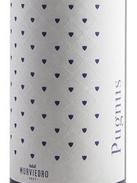
Pugnus Bobal Murviedro 2024 utiel Requena
-
Made largely from old vines, Murviedro’s Bobal reds have helped transform Bobal from a workhorse grape into one of Spain’s most exciting sources of distinctive red wine. This costs around six euros and worth looking out for.
At the most recent event of this type, the white wine was from Galicia (Rias Baixas) and the red was an Imperial Gran Reserva 1994 from CVNE. At the same day’s dinner, it was Navarra’s turn: Colección 125 Chivite and then Matarromera from Ribera del Duero. Doña Letizia personally selected a muscatel made in Malaga by Telmo Rodríguez.
What did cause unfavourable comment at this particular event were the overdecorated coloured glasses, generally condemned as being unsuitable for appreciating the quality of the wines served, but no one complained and as usual at such levels, best let sleeping perros lie.
![[]](http://static.vocstatic.com/voc26/latest/assets/images/favicon/surinenglish/apple-touch-icon-57x57.png)