
New Packaging Act
Spain's new bottle deposit law: How the deposit return scheme works and what consumers will pay
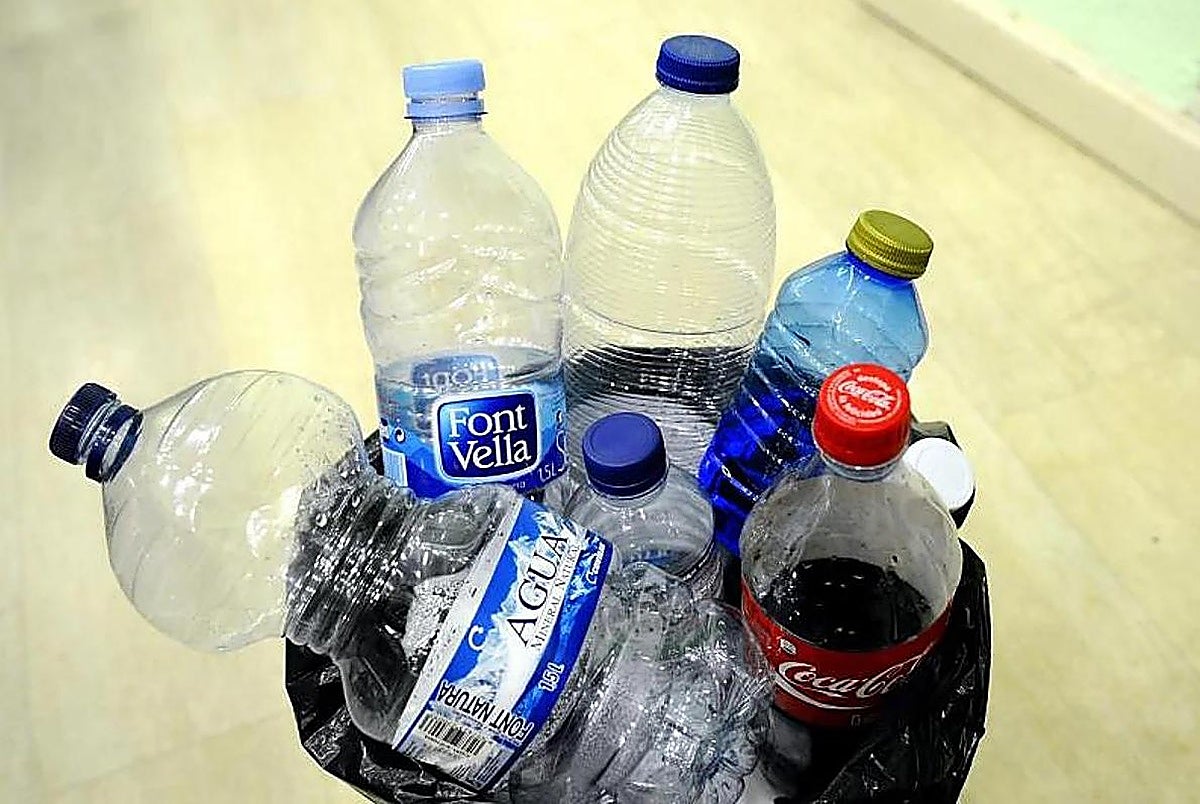
Consumers across Spain will soon pay an upfront deposit on drink bottles and cans that can be reclaimed by returning empty containers to shops
G. Caro
Europe is preparing for a historic shift in packaging management and recycling. On 12 August, Regulation (EU) 2025/40 - known as the European Packaging and ... Packaging Waste Regulation (PPWR) - comes into force. The rules impose strict obligations on manufacturers, distributors, and businesses to reduce plastic waste. Alongside this legislation, a Deposit Return Scheme (DRS) will introduce a 10-cent surcharge on cans and bottles. However, the deposit system follows a separate implementation timetable.
The overarching regulation takes effect from today, though measures will roll out gradually through targets set as far ahead as 2040. The European Union will initially require manufacturers to use recycled materials and design more recyclable packaging while steering production toward reusable formats by banning specific single-use items.
From 12 August 2026 - today - all packaging placed on the EU market must be recyclable. The technical criteria determining exact recyclability grades will be phased in from 2030, meaning major structural shifts will take time to appear.
By 2028, consumers will see standardised labelling across Europe detailing material composition and sorting instructions. Labels will distinguish between compostable, reusable, or deposit-return packaging, with the latter incorporating QR codes or digital links for return location information.
Impact on bars and restaurants
Establishments do not need to replace their packaging immediately. However, from early 2027, catering businesses must allow customers to bring their own containers (such as lunchboxes) for takeaway food and drink without charging extra.
By 2028, bars and restaurants will be required to provide reusable containers and phase out single-use alternatives. Trade groups have warned that adapting to these requirements may drive up operating costs and end-user prices.
Ban on single-serve sachets and capsules
Single-serve portions are scheduled for removal from hospitality venues by 1 January 2030. The PPWR prohibits the sector from using single-use plastic packaging for sauces, salt, oil, sugar, or coffee capsules. Domestic retail is exempt, meaning consumers can still purchase single-serve options for home use.
Impact on drink prices
A minimum 10-cent deposit has been proposed. A soft drink costing €2.00 will cost €2.10, with the 10 cents refunded upon returning the empty container to a designated collection point. Member States must fully implement the system by 1 January 2029 at the latest.
Spain approved a baseline 10-cent deposit in 2022, triggered automatically because national recycling targets were missed. Under EU rules, Member States must achieve a 90% separate collection rate for cans, plastic bottles, and cartons up to three litres by 2029.
Non-return consequences
There is no fine for failing to return packaging, but unreturned containers forfeit the deposit. A consumer who purchases 1,000 qualifying drinks annually without returning the containers would lose €100.
Return locations
Exact mechanics depend on regional execution, but the law permits collection via local shops, supermarkets, dedicated return centres, reverse vending machines and municipal collection infrastructure.
Restrictions on pre-packaged fruit
From 2030, the regulation restricts single-use plastic packaging for fresh fruit and vegetables under 1.5 kilograms, including plastic trays and bags. Limited exemptions will apply for hygiene or food-waste prevention.
PFAS chemical restrictions
PFAS (per- and polyfluoroalkyl substances) are persistent "forever chemicals" used in food packaging - such as cardboard linings - to block oil and moisture. The EU regulation imposes immediate concentration limits to reduce human exposure through food contact.
.
![[]](http://static.vocstatic.com/voc26/latest/assets/images/favicon/surinenglish/apple-touch-icon-57x57.png)