
Food and drink
Marbella crowns the best champagne of the year
The Puente Romano and Marbella Club hotels are hosting the third edition of Éclat de Champagne

Malaga
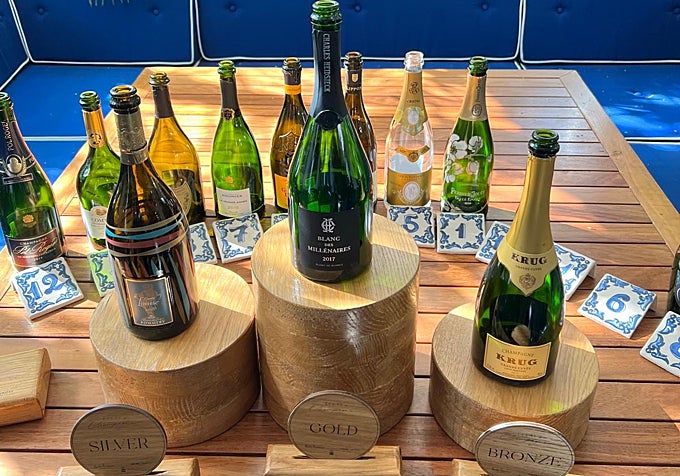
Marbella, the place in Spain where the most champagne is consumed - with the exception of Madrid and Barcelona, whose populations are many times larger - has ... just chosen its ‘bubbles of the year’. The ‘Éclat de Champagne’ event, organised by the Marbella Club and Puente Romano hotels, has crowned Charles Heidsieck’s Blanc des Millénaires 2017 as the best of the year.
The winner scored 8.9 out of a maximum of ten, and was joined on the podium by Pommery’s Cuvée Louise 2008 and Krug’s Grande Cuvée. These three champagnes came out on top in a blind tasting featuring 12 different champagnes, all from a Grand Maison and priced between 150 and 300 euros.
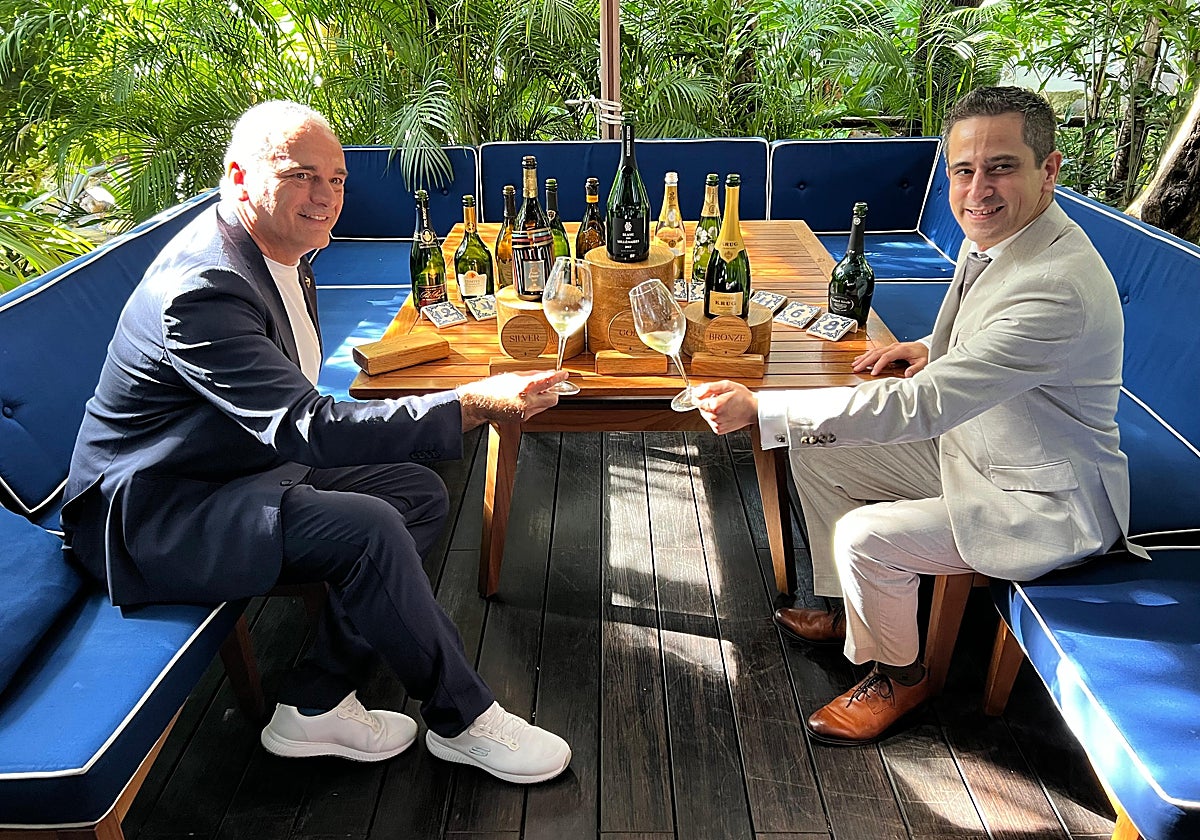
The best products of the year were chosen by a select group of sommeliers, magazine critics, specialist journalists - including representatives from Diario SUR - and friends of the establishment at an event held at the Cipriani restaurant in Puente Romano. This is the third edition of this competition, organised jointly by both five-star hotels.
After the winners were announced, the sommeliers from the Marbella Club and Puente Romano - Ángel González and Alejandro Marcos, respectively - explained that the three champagnes that made up the podium will be added to the wine lists of the bars and restaurants at both hotels and will be available for at least ten years as part of a joint ageing programme. They will purchase between 120 and 140 bottles and will release a small annual allocation to monitor how they develop over time.
The winner, the Blanc des Millénaires 2017, comes from one of the great houses of the Champagne region and is made from 100 per cent Chardonnay grapes grown in five villages in the Côte des Blancs, an area renowned for its deep limestone soils, which lend the wines finesse and structure. In second place is the Cuvée Louise 2008, produced from Chardonnay and Pinot Noir from one of the finest vintages in history; whilst Krug’s Grande Cuvée uses Chardonnay, Pinot Noir and Pinot Meunier.
Alejandro Marcos admits that the winners have been ‘surprising’ and that this year’s selection has been particularly difficult because they always try to find some entrants who haven’t taken part in previous editions. "The truth is that this year has been surprising because two of the newcomers we’ve introduced have ended up on the podium."
Ángel González echoes this sentiment, having been pleasantly surprised that both new entries ended up on the podium. In his view, the champagne ranked first is the one an expert would probably choose, and the second is the one the less knowledgeable public would choose, so the competition has brought these two worlds together. “It’s been a great surprise, but we can see that the best historic vintages, such as the 2008, continue to demonstrate their full quality,” he points out.
This third edition of Éclat de Champagne has also highlighted the great popularity of this type of drink in Marbella. Although there are no official records, Ángel González points out that Marbella is the third-largest consumer of champagne in the whole of Spain, surpassed only by Madrid and Barcelona, despite being a much smaller town. “Marbella accounts for 90 per cent of the champagne sold on the coast,” he notes. By way of example, he points out that between these two hotels alone, they can sell over 15,000 bottles every year. “And that’s despite us being a small town.” Marbella’s love for champagne is, without a doubt, a passion for bubbles.
