
Mental health
Spanish police warn of return of 'happy slapping' challenge among teenagers
The prosecution warns of an increase in violence among minors and the sharing of humiliating content on social media

Málaga
'Happy slapping' is a viral challenge that originated among teenagers in the UK back in 2005. It involves slapping someone while a friend films to later share the video on social media in search of likes and new followers.
The trend soon spread to other countries and reached Spain, where 'happy slapping' has grotesquely evovled to include videos of beatings and sexual assaults.
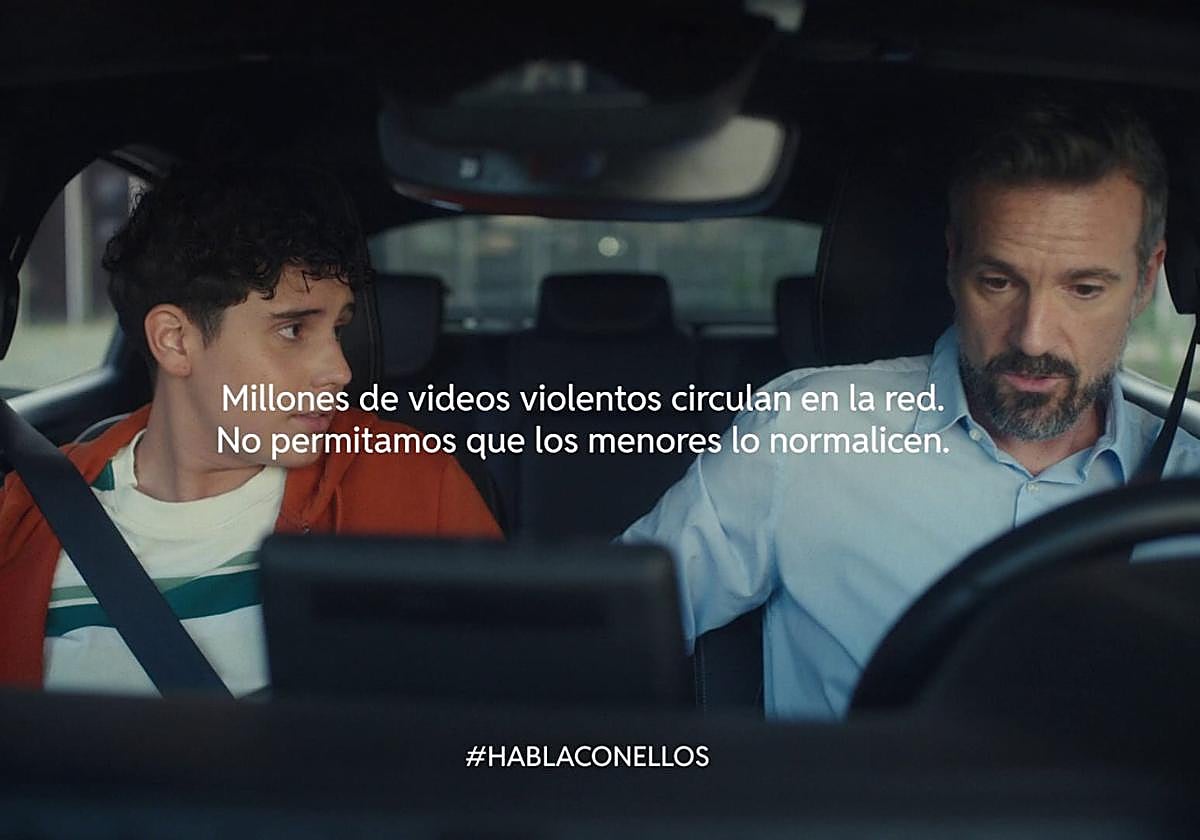
The National Police, in collaboration with Fundación Sol, launched a new awareness-raising campaign on Wednesday, under the slogan 'Somos su mejor red' ('We are their best network').
The aim is to raise awareness of the risks of digital violence, prevent its normalisation, protect children and teenagers from themselves and from the dangers of the internet.
The police say recent studies reflect a worrying increase in violent behaviour among Spanish teenagers. According to the 2025 report from the public prosecution, there were 12,563 registered assaults committed by minors in 2024, representing an eight per cent increase compared to 2022.
According to these statistics, there were 120 cases of homicide or attempted homicide committed by minors in 2024, 18.8 per cent more than in 2023.
Social media
The prosecution also warns of the increase of online assaults.
A report published in 2025 by the Anar foundation, points to WhatsApp (66.4 per cent), Instagram (50.5 per cent) and TikTok (49.5 per cent) as the main channels where online assault takes place.
The report also highlights the growing role of artificial intelligence in the creation and dissemination of this humiliating content: 14.2 per cent of cyberbullying cases involve the use of AI, mainly to create fake images, videos or audios of the victim or to impersonate them.
In a media statement, police inspector Juan Cristóbal Cabiedas Pedraza, who has more than 28 years of experience in public safety, investigation and crime prevention, says: "'Happy slapping' is a widespread practice among minors that transcends the boundaries of the physical and real world to spread massively in the digital world."
According to him, "we must encourage critical capacity and responsible use of social media and technologies in teenagers, so that they are aware of the scope that their actions can have and the harm they can cause to others. We cannot treat this type of behaviour as a joke or a game".
"When an attack is recorded and shared, the humiliation multiplies. It's not just about the physical or verbal harm, but also the public exposure, the cruel comments and the impossibility of forgetting," Director of Sol Claudia Caso says. "What's most worrying is that many young people come to perceive these attacks as content, not as violence."
'Happy Slapping' is an assault perpetrated not only by the aggressor, but also by all those who record, disseminate or interact with the violent content published on social media. In 61 per cent of cases, the aggressors are part of the victim's close environment, such as classmates or friends, which shows the close relationship between cyberbullying and bullying.
According to the prosecutor's report, there were 1,196 bullying cases registered in 2024. This data only reflects the cases that reach the justice system and the actual figure is likely to be much higher.
Police recommendations
The recommendations from the National Police and Fundación Sol against these violent practices among teenagers are:
- Don't look the other way: talk to children about the violence that circulates on social media.
- Educate them in digital empathy and responsibility so that they do not get used to seeing it as something "normal".
- Help them identify that behind every video there is a real victim, with emotional consequences and legal implications.
- Make it clear that recording or sharing an assault is also participating in it.
- Make clear the message that not recording, not broadcasting and not giving "likes" is an active form of protection.
- Avoid continued exposure to violent content to prevent desensitisation and normalisation of violence.
- Report the content to the platforms for removal.
- Always report these situations and break their chain of dissemination.
- Save any potential digital evidence before reporting the content to the platform in case you consider taking legal action.
![[]](http://static.vocstatic.com/voc26/latest/assets/images/favicon/surinenglish/apple-touch-icon-57x57.png)