
History
The demons of Santa Clara convent in Antequera
A 1764 Inquisition investigation revealed shocking allegations of devilry, sexual scandal and secret assemblies behind the walls of a Spanish monastery
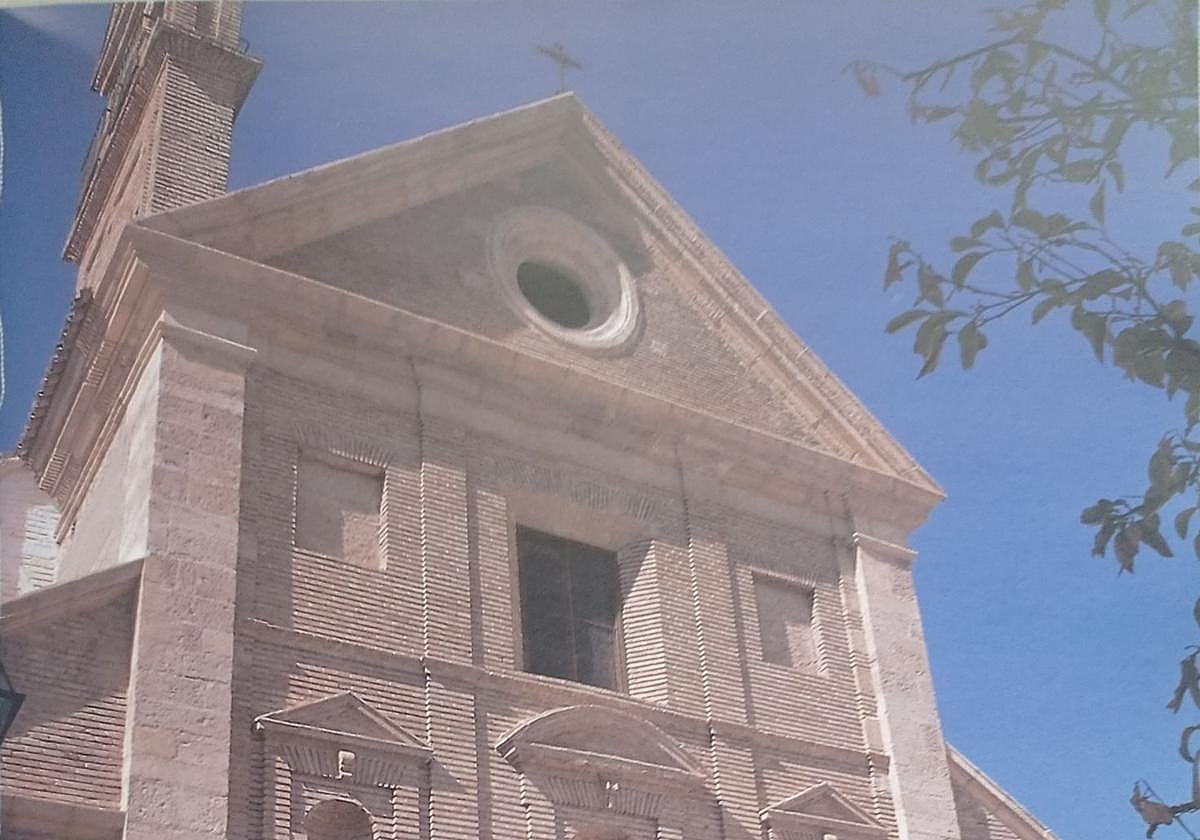

A 18th-century Inquisition investigation exposed a web of secret assemblies, illicit affairs and allegations of sacrilege hidden behind the walls of a Franciscan convent ... in southern Spain.
The shocking details of the 1764 scandal at the Santa Clara monastery in Antequera - long kept under lock and key in the secret archives of the Holy Office - have come to light following modern historian Rafael Martín Soto’s research into preserved trial files (causas de fe) now held in Spain's national archives.
That dark chapter forms a central focus of Martín Soto’s study on magic and daily life in historic Andalucía, detailing what he considers the most extraordinary case handled by the Inquisition in the region. The trouble began when Sister María de los Dolores Montero confessed to her priest that she had spent six years in a clandestine relationship with a local music teacher.
Her confession triggered a seven-year investigation by the Tribunal of Granada that ultimately implicated 88 people - including 41 nuns - and shattered the quiet life of the monastery.
The Convent of Santa Clara de la Paz in Antequera, belonging to the Franciscan order, was founded in 1603. A century and a half later, 50 nuns lived there - and they were not leading the ascetic lives one might imagine. It is worth noting that several girls entered the monastery at just five or six years old to spend the rest of their lives behind its walls, as was the case for María Serrano and María Eufemia Luzón.
In 1764, Sister María de los Dolores Montero could no longer bear the thought of living in sin and confessed her turmoil to her confessor, who advised her to report the matter to the Inquisition.
The nun had been in a relationship for six years with young Alonso de Osuna, who had courted her before she entered the Franciscan order. Alonso came and went from the convent as he pleased; he was the nuns' music teacher and also helped his father in the family barbershop. Sister María reported that her lover had signed a pact with the devil - who was blamed for almost everything at the time.
Initially, the inquisitors took a paternal stance, suspecting the encounters were merely the product of the nun's vivid imagination. However, during preliminary enquiries, Sister María implicated other nuns in the convent, claiming they met in satanic assemblies. The friar serving as her confessor confirmed the account to the astonishment of the inquisitor fathers.
Alonso de Osuna ended up in the Inquisition's dungeons in Granada. There, he adhered to the traditional Spanish habit of sticking to his guns: he maintained that he only entered the convent as a music teacher, that his only offence was engaging in lascivious conversations and minor obscenities permitted through the narrow grille of the choir, and that if the nuns had seen him inside the cloister, it could only have been in dreams or hallucinations.
Many of the nuns admitted to dreaming about young Alonso, who at 21 was considered very attractive, though their confessors insisted it was all the work of the devil. Furthermore, the inquisitors suspected that Sister María de los Dolores had given birth. Unable to perform a medical examination without permission from Franciscan superiors, Holy Office doctors carried out an examination while she was ill in the Inquisition prison, though the results proved inconclusive.
“Many nuns admitted to dreaming about young Alonso de Osuna, who at 21 was considered very attractive”
As in any major judicial case, however, a whistleblower stepped forward to cooperate with the authorities. Sister María de San Rafael told inquisitors that shortly after joining the convent, several nuns informed her of the liberties practiced there, implying there was no sin in them.
Sister María described demonic assemblies taking place inside the monastery, with clergy and laypeople of both sexes entering and leaving freely. She even accused a high-ranking military officer, whose name she did not dare reveal.
The inquisitor fathers could hardly believe what they were hearing. According to the nun, some members of the convent took concoctions to avoid getting pregnant. If those failed and they gave birth, they would kill the infants and bury them within the cloister grounds.
She also claimed the nuns acted with the complicity of the Mother Abbess, and that they sometimes engaged in sexual acts among themselves. Sister María de San Rafael declared that out of 50 nuns in the convent, 41 - including the Mother Abbess - were involved, along with 47 outsiders, bringing the total number of accused to 88.
Officers were forced to search the cells for evidence, though the Mother Abbess strongly opposed the inquisitors entering the cloister.
In March 1770, with permission from an order superior, a inspector entered the cells and seized small vessels, which were analysed by apothecaries under the supervision of a Holy Office doctor. They contained greasy substances deemed to serve superstitious purposes.
Analysis revealed traces of semen, menstrual blood and pubic hair. According to the consensus of the specialists, the substances were intended ad venus stimulandam - to act as an aphrodisiac.
The Inquisition shelves the case
The inquisitors could not comprehend how such events could go unnoticed in a town like Antequera. To make matters worse, a local clergyman claimed this behaviour had been customary for many years, implicating previous abbesses and warning that the issue was spreading to other convents.
The Holy Office had spent seven years investigating and had taken statements from 88 accused individuals. Seeing the direction the case was taking and with gossip spreading throughout the town, they decided to bring the matter to a close.
Each nun was read her sentence individually in her cell. Under cover of darkness and with maximum discretion, they were removed separately and re-housed in other convents belonging to the order.
No further records exist regarding the young and attractive Alonso de Osuna. Researcher Martín Soto, in his book Magia y vida cotidiana en Andalucía en los siglos XVI-XVIII (Magic and Everyday Life in Andalucia from the 16th to 18th Centuries), believes he was banished from Antequera after being warned by the Inquisition to keep strict secrecy or face severe penalties.
![[]](http://static.vocstatic.com/voc26/latest/assets/images/favicon/surinenglish/apple-touch-icon-57x57.png)