
Andalusian influencers around the world
Al-Zahraw: The 'father of modern surgery'
One of the greatest surgeons of the Middle Ages, some of the Cordoba physician’s innovations continue to be used in medical practice today
Tony Bryant
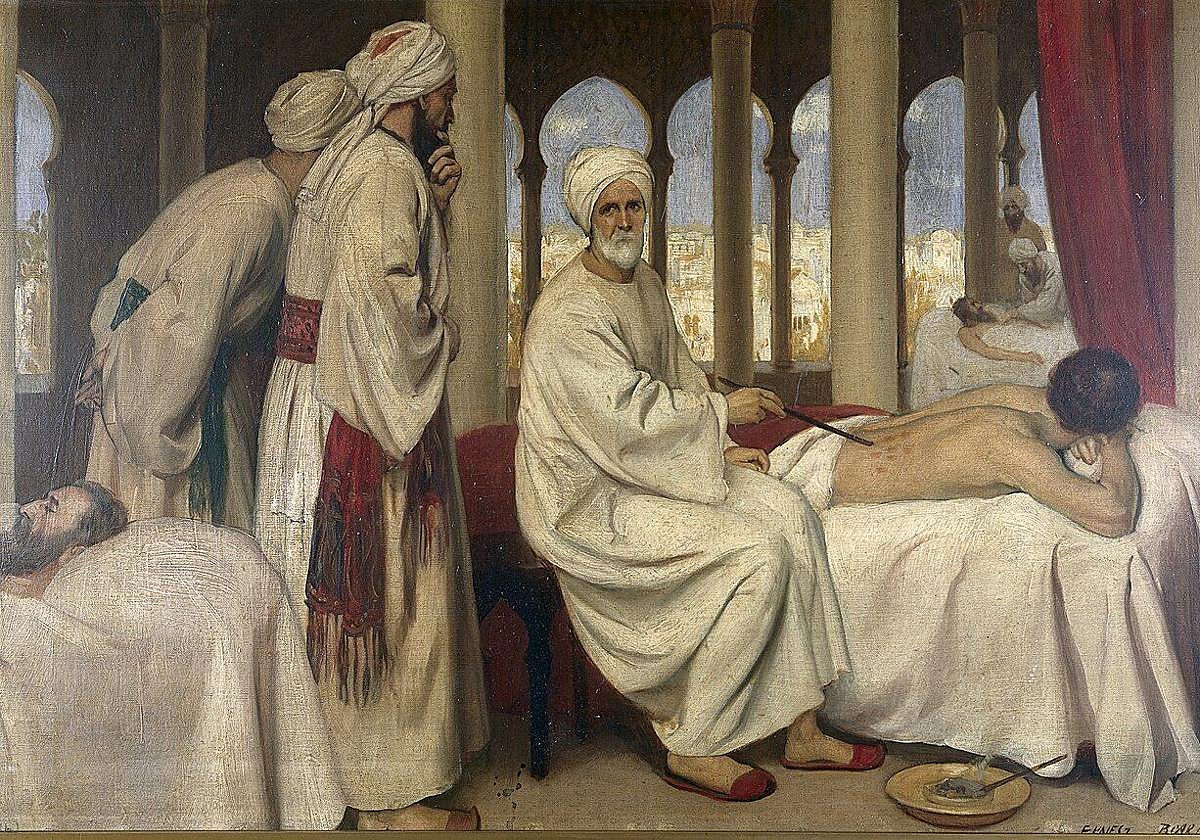
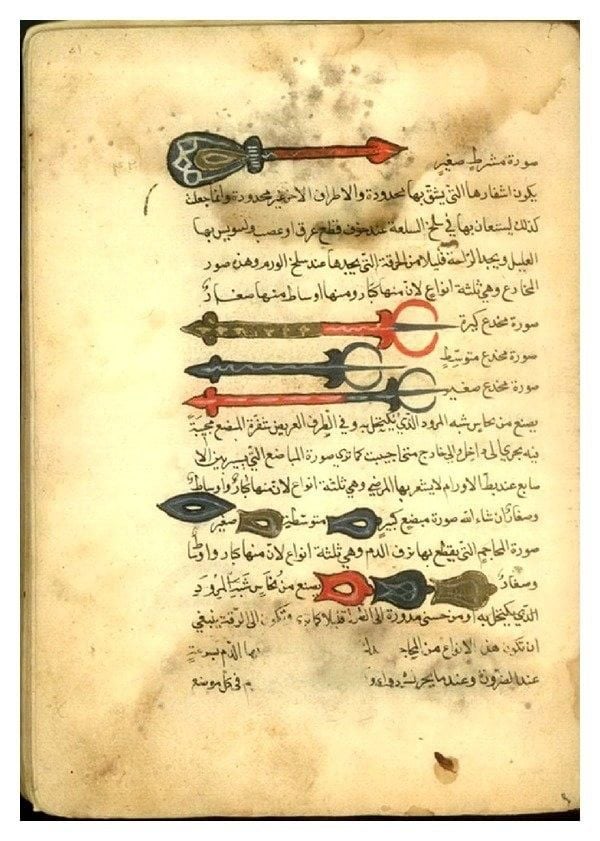
Al-Zahrawi - Albucasis, often referred to as the 'father of modern surgery', was an Arab physician, surgeon and chemist from Al-Andalus who is considered one of the greatest surgeons of the Middle Ages. Born around 936 in Azahara, eight kilometres northwest of Cordoba, he had a major influence on surgery beyond the Muslim world, particularly in medieval Europe. He designed many specialised surgical tools, including forceps, scalpels and instruments for eye, ear and dental procedures.
Few details about his life are known beyond his published works, largely because Azahara was destroyed during later Castilian-Arabic conflicts. Historians generally agree that he spent most of his life in Cordoba, where he studied, taught and practised medicine and surgery until shortly before his death around 1013. His name is first mentioned in the writings of Abu Muhammad ibn Hazm (993-1064), who recognised him as one of the most distinguished physicians of Moorish Spain.
Albucasis was the first physician to recognise the hereditary nature of haemophilia and to describe an abdominal pregnancy, which was often fatal at the time. He also made pioneering discoveries into the underlying cause of paralysis and developed surgical instruments for Caesarean sections and cataract procedures.
His pioneering 30-volume medical encyclopaedia, Al-Tasrif, contained a detailed section on surgery and became an important reference for later physicians throughout Europe. In it, he described procedures for treating fractures, dislocations, wounds, kidney stones and other conditions.
His descriptions and illustrations helped spread advanced surgical knowledge into European medicine. The surgical chapter of this work was later translated into Latin, where it gained widespread popularity and became the standard surgical textbook throughout Europe for the next five centuries.
His work played an important role in the development of modern surgery, helping to establish the principle that surgical practice required specialised knowledge and formal training rather than being viewed simply as a manual craft. His influence extended from the medical scholarship of Islamic Spain into medieval European medicine and, indirectly, contributed to the evolution of modern surgical practice.
His pioneering contributions to surgical techniques and instruments had a profound influence across both East and West well into the modern era, with some of his innovations continuing to be used in medical practice today.
![[]](http://static.vocstatic.com/voc26/latest/assets/images/favicon/surinenglish/apple-touch-icon-57x57.png)