
Health
Andalucía breast cancer screening case dropped
Investigations have concluded that there is no evidence of any criminal offence following the crisis that began in October 2025 and the initial allegations made by various political parties and groups
Laura Velasco
Malaga's provincial public prosecutors’ offices have now closed the fifteen criminal investigations they opened in relation to the alleged failings in breast cancer screening, ... following complaints lodged last October by the association of women with breast cancer (Amama), the patient ombudsman, Adelante Andalucía and Izquierda Unida political parties.
The public prosecutors’ offices have concluded that there is no evidence of a criminal offence, citing judicial sources. The cases have been progressively dismissed, until the last two were closed last week.
Related story
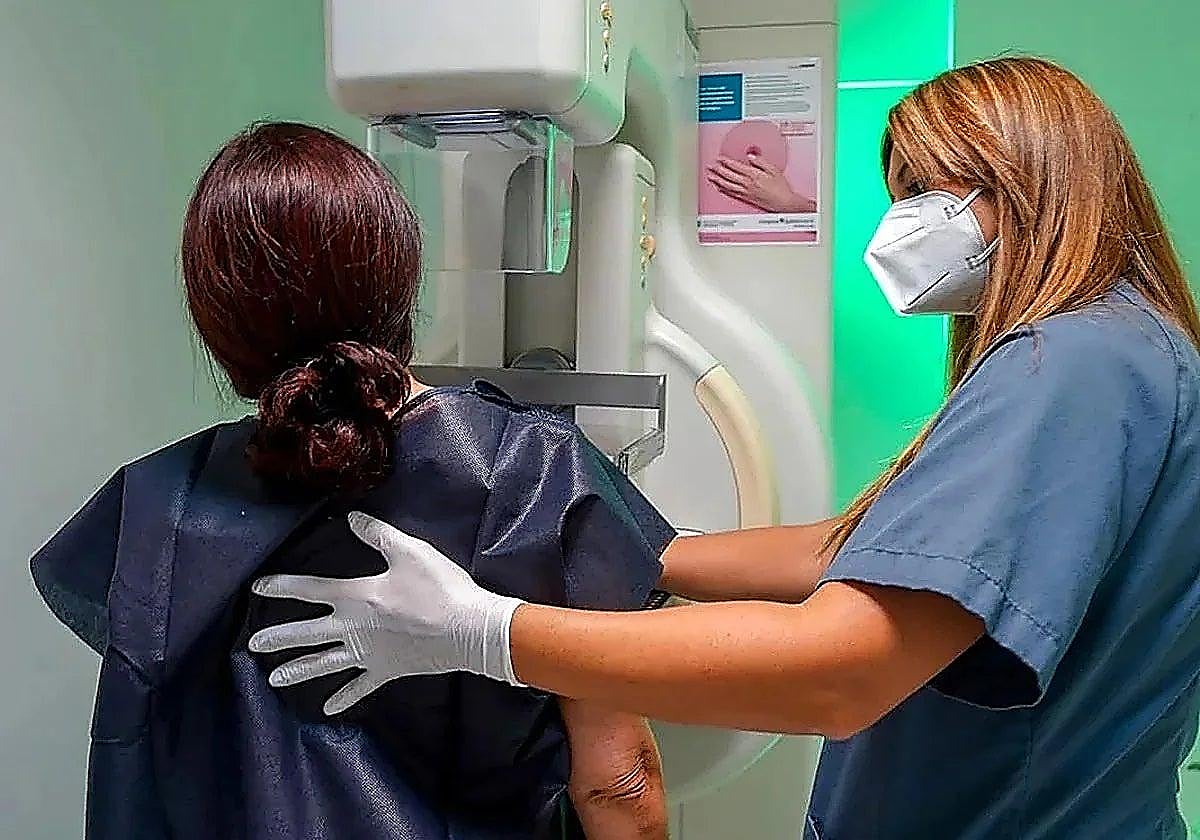
The issue dates back to October 2025 when shortcomings came to light that caused delays in breast cancer diagnostic tests. The main problem lay in the failure to report uncertain or inconclusive results. Delays in follow-up tests and diagnoses ranged from several months to as long as two years, meaning that some patients only discovered advanced abnormalities after noticing physical symptoms.
The Andalusian regional government has promised that the screening protocol’s procedures would be reviewed one by one to prevent such delays from occurring again and to ensure that those affected were placed on a priority list.
In the wake of that situation, several complaints were lodged by the patients’ association, supplemented by written statements from sixteen women detailing their individual cases. Amama, together with the patient ombudsman, Adelante Andalucía and Izquierda Unida, also reported failings that led to delays in diagnostic tests, pointing to alleged "negligence" and the deletion of medical records, which are said to have affected more than 2,000 patients.
Complaints were lodged against five senior officials from the Junta de Andalucía and the regional public prosecutor’s office, which has jurisdiction over the investigation of public officials with legal immunity, took charge of the case.
However, it noted that there was no pattern in these events that could link them together to establish liability extending beyond the specific individuals involved in each case, which led the public prosecutor’s office to request that they be investigated "individually and separately". Fifteen cases needed to be analysed.
Provincial public prosecutors’ offices
In February, the Andalusian public prosecutor's office issued a decision to close the case regarding three complaints, having found no criminal liability on the part of those with legal immunity, nor any systemic issue affecting the entire system. The office referred the investigation files to the provincial public prosecutor’s offices in Jaen, Cordoba, Seville, Malaga, Granada and Almeria – where the initial complainants had been screened– in order to continue the examination of the evidence.
The aim was to determine whether, even in the absence of liability on the part of those with legal immunity or a general case affecting the entire system, there might be potential criminal liability in specific cases. The transfer of the case files was intended to facilitate the investigation of the facts, to examine whether they constituted a criminal offence, and to identify those potentially responsible.
Two complaints were closed in Almeria, two in Granada, two in Seville, a further two in Jaen and one in Malaga. Three cases in Seville and two in Malaga were still pending, while prosecutors determined whether there was sufficient evidence to bring charges before the courts or to dismiss the cases. Meanwhile, a complaint was lodged in Almeria following indications that another type of medical negligence might have occurred, separate from the screening case but involving the same patient.
All these cases have recently been closed, according to judicial sources consulted by IDEAL, meaning that there are no longer any active investigations. The public prosecutor’s office considers that there is no evidence of a criminal offence. Nevertheless, the individuals concerned may, on an individual basis, pursue their claims through other legal channels.
Data deletion
At the end of last year, the public prosecutor’s office dismissed the complaint lodged by the association of women with breast cancer regarding alleged alterations to the medical records of women who had undergone the breast cancer screening programme. The association believed that this alleged deletion was due to the regional government’s purported intention to conceal what had happened with the screening programme and went so far as to accuse it of committing alleged offences of concealment, obstruction of justice or breaches of the security and integrity of healthcare information.
The regional government denied from the outset that any files had gone missing and explained that the temporary inability to access the reports had been due solely to a system crash caused by an overload of enquiries following the alarm raised when it became known that there had been faults in the programme.
After requesting technical reports from the Judicial Police Unit and carrying out audits of the records of the complainants – a total of five women – the public prosecutor’s office ultimately agreed with the regional government and therefore ordered the case to be closed.
![[]](http://static.vocstatic.com/voc26/latest/assets/images/favicon/surinenglish/apple-touch-icon-57x57.png)