
Fisheries
Bluefin tuna quota: Ministry sparks rift among Spanish fishermen over catch limits
Spanish fishermen clash with the Ministry of Agriculture after new regulations grant accidental bluefin tuna quotas to thousands of vessels, subject to strict daily limits

Raúl Masa
There is a wealth of popular sayings in the maritime world, and following the latest decision by the Ministry of Agriculture, Fisheries and Food regarding ... by-catches of bluefin tuna, one might conclude that ‘when the going gets tough, the fishermen come out on top’.
Although in this case, this applies only to a select few – those with large fleets and the capacity to handle significant administrative workloads. And even so, it seems to them to be insufficient.
The ministry headed by Luis Planas has authorised the catch of a total quota of 233 tonnes of bluefin tuna, according to a resolution published yesterday in the Official State Gazette (BOE). It is very important to note that this is by-catch.
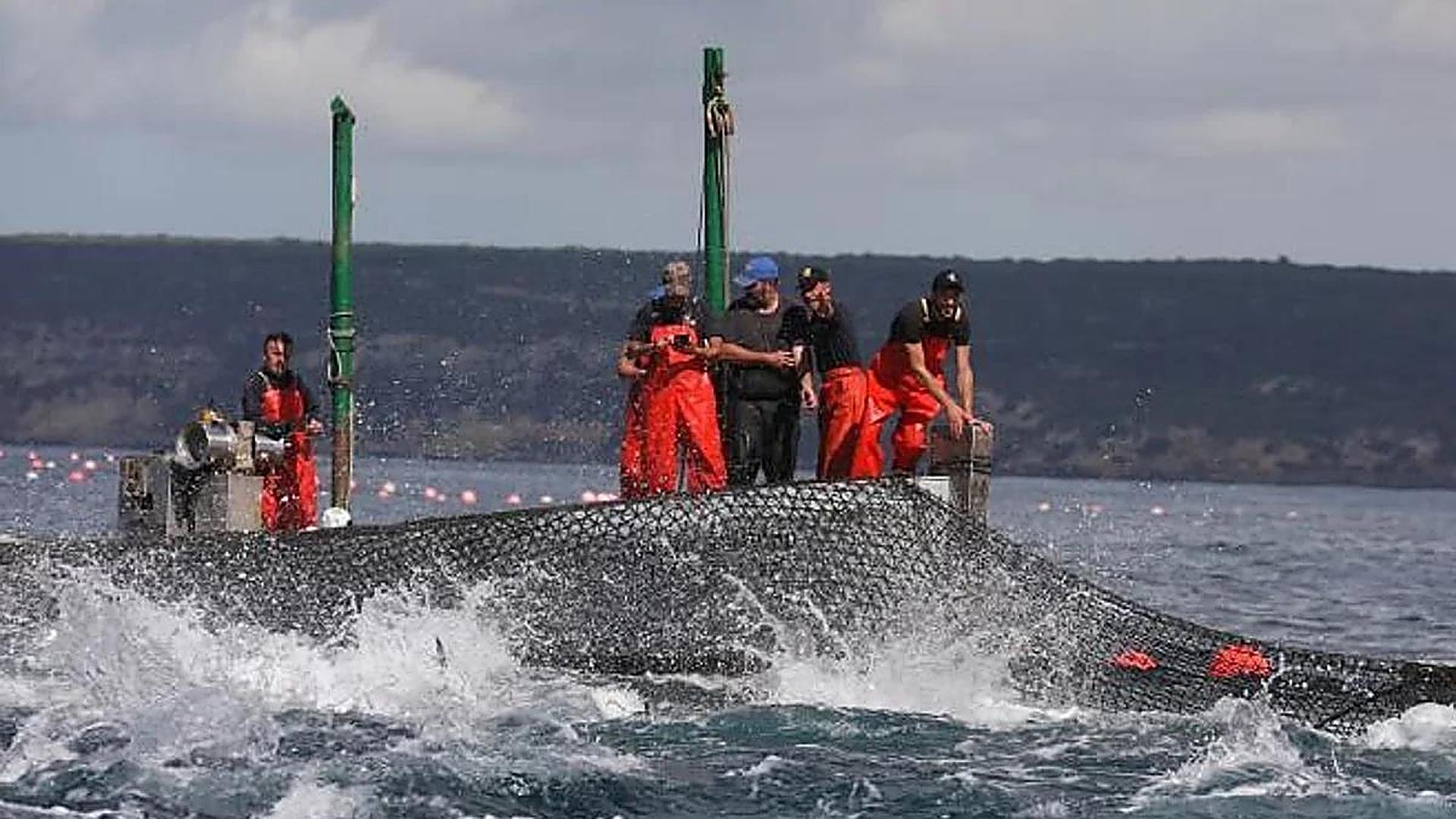
In other words, it is bluefin tuna that was not being targeted. For example, a vessel may be fishing for northern bonito, swordfish or other species, and, due to the behaviour of the bluefin tuna and the gear used, this species ends up in the catch. The regulations distinguish this from targeted fishing, where the vessel sets out specifically to catch bluefin tuna.
Related story
-kR5D--366x256@Diario%20Sur.jpg)
Until now, Spain had a fairly limited quota system. For example, in 2024 and 2025, 11.5 tonnes were set aside for by-catches from two specific groups: trolling vessels (using lures) fishing for northern bonito in the north-east Atlantic and the Bay of Biscay; and longliners (using small lines) in certain areas of the North Atlantic.
Currently, the largest share of the quota – 67 tonnes – is allocated to vessels included in all the fishing category censuses for the north-western Bay of Biscay. These are followed by vessels based in the Cadiz towns of La Línea de la Concepción, Algeciras, Barbate and Conil, which will have a combined quota of 64 tonnes.
Furthermore, the Ministry has authorised the catch of bluefin tuna by vessels from all Mediterranean fishing categories, with a quota of 55 tonnes, and by those in the Gulf of Cádiz, which may catch up to 47 tonnes.
The resolution also sets individual limits for vessels. Specifically, each vessel may catch one bluefin tuna per fishing trip. For operations lasting less than one day, the limit shall be one fish per vessel per day.
The General Secretariat for Fisheries emphasises the importance of allowing by-catch of this species in light of the favourable trend in its populations. According to the Ministry, bluefin tuna has undergone a ‘significant recovery’ and is currently found in considerable ‘abundance and numbers’ along the Spanish coast.
The measure aims to adapt fishing activities to this situation and to regulate by-catches of a species that has shown significant recovery in recent years.
Unequal profit
This situation, which increases the catch quota, should be cause for celebration across all fishing fleets. However, for some it has fallen short, whilst others feel it should have been increased further.
The Lonja de Conil Organisation of Artisanal Fishermen have said that the Ministry of Fisheries has issued a resolution that is ‘identical’ to the previous draft, without taking into account the objections raised. Among the concerns raised about the resolution is the fact that only one tuna may be caught incidentally per vessel per day, a restriction that “makes no sense” in an area such as the Strait, where there is “plenty of tuna” and, in some cases, the fish are “small”.
By contrast, this more demanding situation stands in stark contrast to that of those who will face more administrative red tape for a profit that remains unclear. Bluefin tuna is subject to an exceptionally strict control regime. It is not enough simply to record it as just another catch. Spain requires vessels authorised for incidental catches to hold a special fishing permit for bluefin tuna. Furthermore, these vessels are subject to the same control regulations as those engaged in targeted fishing and must keep the bluefin tuna clearly separate from other species.
Next, and much to the chagrin of the smaller fleets, the bluefin tuna catch documentation system (BCD/eBCD) comes into play. The reason is that each fish must be traceable from the moment it is caught until it is sold. ICCAT’s electronic system (the European method) is designed precisely to ensure this traceability.
Key facts about bluefin tuna
At present, bluefin tuna in the Eastern Atlantic and the Mediterranean are not considered to be a collapsed stock. In fact, the situation has improved considerably compared with previous decades.
Spain, excluding incidental catches, has an annual quota of 7,938 tonnes of bluefin tuna for 2026, which remains unchanged for 2026, 2027 and 2028. In 2025, the quota stood at 6,783 tonnes, so the increase amounts to around 1,155 tonnes (17 per cent).
The key difference is that the bluefin tuna found in Spain is a different species, adapted to temperate waters and capable of reaching enormous sizes. It can easily exceed 300 kg.
In recent months, some Galician associations have raised certain concerns regarding the scale of this operation. The fact is that the process of catching, identifying, weighing, recording and completing the specific documentation… requires a level of logistical capability that not all vessels possess, despite the fact that bluefin tuna is a highly sought-after product and, once in port, is a species that offers a high economic return.
![[]](http://static.vocstatic.com/voc26/latest/assets/images/favicon/surinenglish/apple-touch-icon-57x57.png)