
Finance
Inflation stifles savings in Andalucía: 64% of population suffers from rising cost of living
With healthcare, housing and unemployment at the top of the general public's list of concerns, spending on food and basic supplies forces almost half of the region's population to cut back on leisure and travel

Seville
Healthcare, difficulty accessing housing and unemployment are the top concerns for those residing in Andalucía today. What is often referred to in polling as a 'statistical tie' makes it impossible to state definitively that one of these concerns clearly takes priority over the others.
The latest barometer on population trends and more from the centre for Andalusian studies (Centra), a foundation dependent on the regional government's ministry of the presidency, estimates that these three areas are vying for first place - with minimal differences between them - among the issues that most concern people living in Andalucía.
According to this barometer, whose fieldwork was done just as the war in Iran began, when asked to identify the main problem in Andalucía, 21.8 per cent of respondents pointed to healthcare, 21.6 per cent to access to and price of housing, lastly 21.5 per cent to the lack of jobs. No previous barometer has shown such a marked parity between the main concerns.
Healthcare comes first
This virtual tie breaks down when respondents are asked which problem most affects them personally. On this point, healthcare takes the lead with 18.7 per cent of responses, followed by access to housing and housing prices at 14.2 per cent and unemployment at 12.8 per cent.
Related story

Followed behind this trio are prices and the loss of purchasing power at 7.5 per cent, the current situation for the agriculture industry at 3.8 per cent, the tax burden at 3.3 per cent and low wages at 2.7 per cent.
It is striking that immigration and illegal immigration, identified as Andalucía's main problem by 6.5 per cent of those surveyed, disappear from the top ten when the question refers to problems that personally affect respondents.
Higher cost of living
Despite not being one of the main problems, the perception of a rising cost of living is widespread: 63.9 per cent of the regional population states that prices have increased significantly in the last 12 months.
This economic pressure is directly reflected in the ability to save for many households: 37.4 per cent of respondents admit that their savings have been minimal, another 32.1 per cent live from payday to payday, covering only essential expenses and 17.8 per cent have been forced to dip into their previous savings to survive.
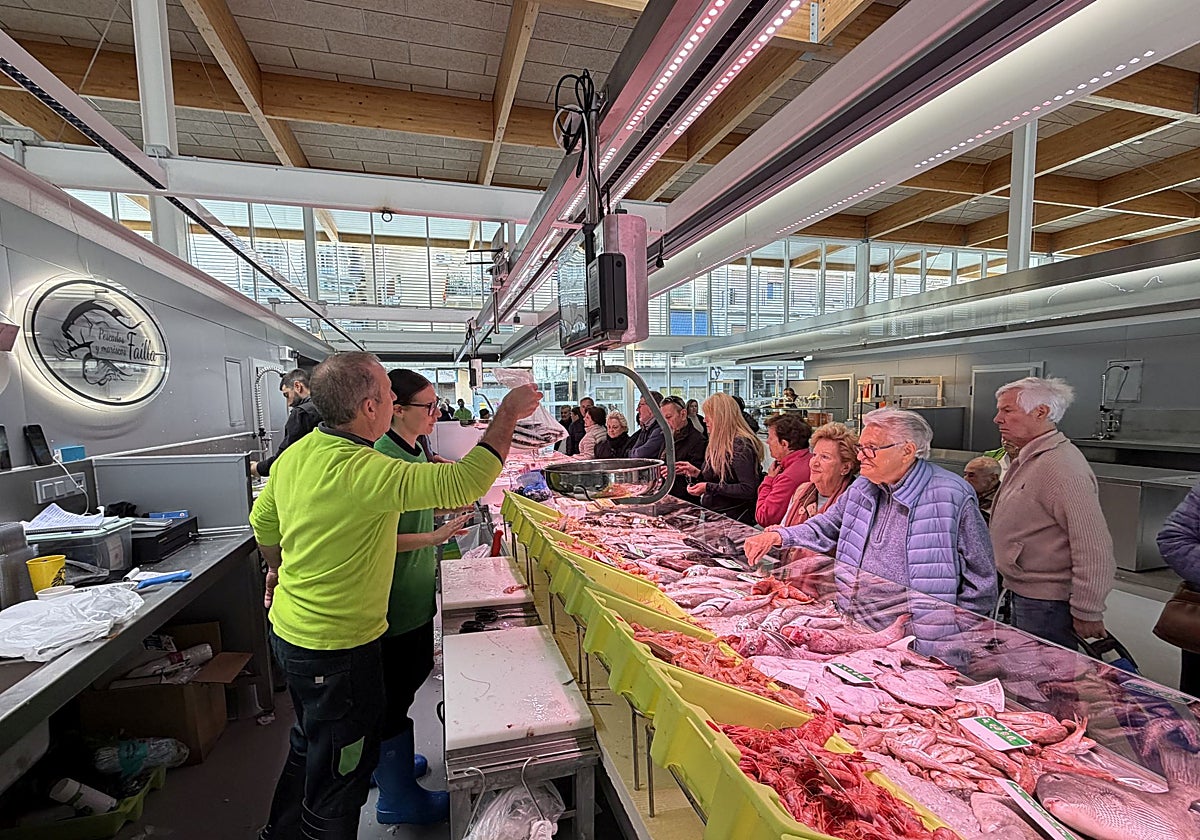
For the people of Andalucía, the price increases are felt most acutely in the shopping basket (47.5 per cent) and in access to housing (31.7 per cent), leaving fuel in a distant third place (7.1 per cent). This situation has forced changes in consumer habits: 37.2 per cent have stopped travelling and 35.2 per cent have cut back on eating out due to budget constraints.
Leisure and travel
In fact, faced with the need to tighten their belts, 56.5 per cent would sacrifice leisure and travel first and foremost. Conversely, if their financial situation were to improve, the top priority for 27.4 per cent would be to invest in their home (whether by buying, repairing or extending it).
Financial solvency in emergencies yields mixed results: while 34.8 per cent could easily handle an unforeseen expense of 3,000 euros, 18.1 per cent would do so with serious difficulty and 18 per cent admit they'd find it impossible to cope with such a surprise.
Despite these economic challenges, 65.2 per cent of the region's population continue to rate their quality of life positively. Finally, opinions are divided regarding taxation: 53.3 per cent consider that paying taxes detracts from well-being, while 40.9 per cent believe that tax revenue contributes to improving it.
![[]](http://static.vocstatic.com/voc26/latest/assets/images/favicon/surinenglish/apple-touch-icon-57x57.png)