
Brexit
Life after Brexit in southern Spain: 'I used to travel to England five times a year to visit my children; now I only go once'
British residents in Almuñécar and Salobreña on Granada province's Costa Tropical explain the consequences of the UK’s withdrawal from the EU have had on them

MJ Arrebola
Granada
A decade on from the Brexit referendum, the lives of thousands of Britons living in Spain have changed. On Granada province's Costa Tropical the ... British community has been part of the landscape in towns like Almuñécar and Salobreña for decades.
The fallout from Brexit is evident in the queues at the airports, in the paperwork, in the retired parents who can no longer spend the winter with their children and in the people who had to sell their homes in the UK and take early retirement in order to be able to stay and live here.
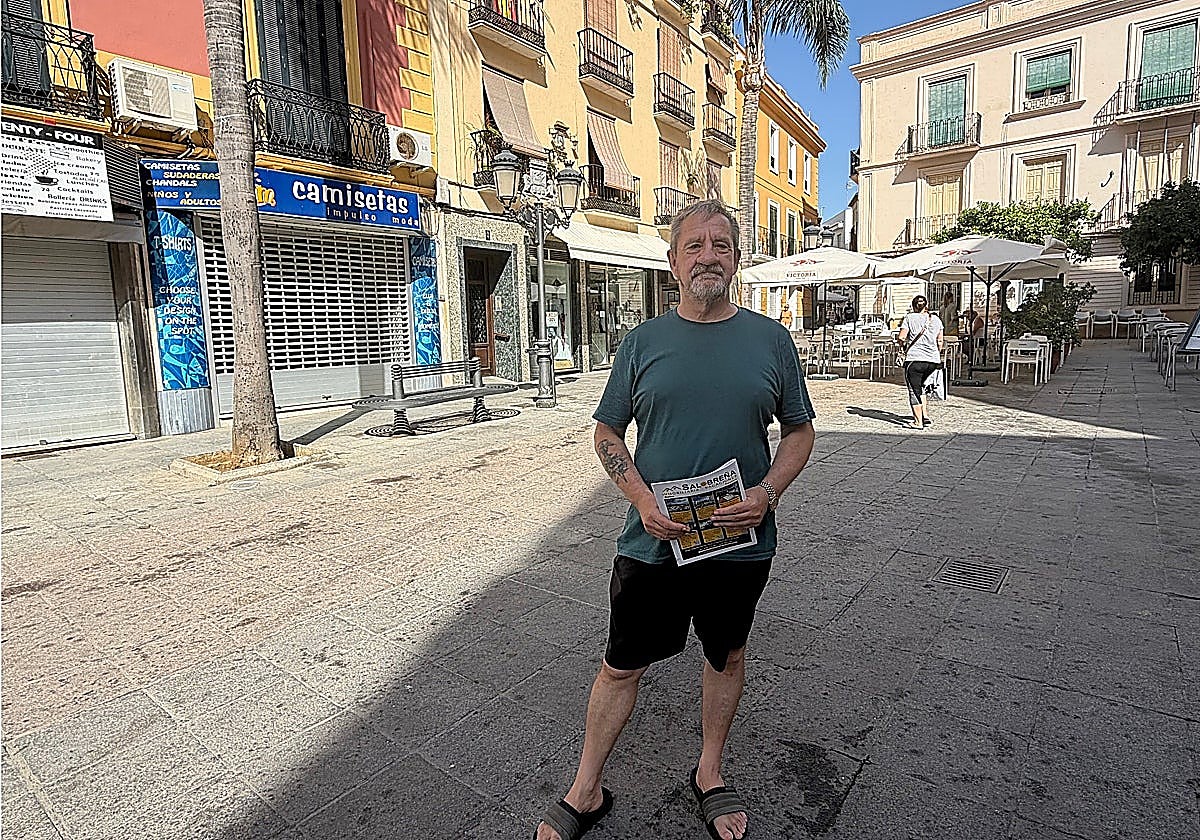
Although he was born in London, David Darby has been living in Almuñécar for around 16 years and is passionate about the Mediterranean climate that characterises the area.
Related story

He grew up on the Isle of Wight and first came to the Costa Tropical in 1981, on holiday, with little more than a rucksack and a good dose of wanderlust. Since then, he has come and gone so many times that Almuñécar ended up becoming his home.
He now lives here with his Irish wife and his son. He has three other children from a previous relationship, who are now grown up and live in England. Until Brexit came into force, he used to visit them very regularly: “I used to travel five times a year to visit my children and grandchildren,” says David, adding that “now I only go once”. The problem, he says, is the time you waste. Sometimes he arrives at the airport and it takes longer to get out of the building than the flight itself did.
David also looks back fondly on the days when he could juggle his work as a photographer between Spain and the UK without too much trouble. He lived here, but whenever he had work back home, he’d just hop on a plane and off he went. “It was very easy because there was no Brexit; I used to travel between the two countries without any trouble, but unfortunately that’s no longer possible in the same way as it used to be.”
Queues and airport checks
But what hurts most is how far away he is from his family. His sister, who is 78, told him on her last visit that she had no intention of returning to Spain. “She told me she was very sorry, but that at her age, with the queues at the airport and the security checks, it’s just not worth it anymore. She said she’d rather explore parts of her own country that she hasn’t visited yet.”
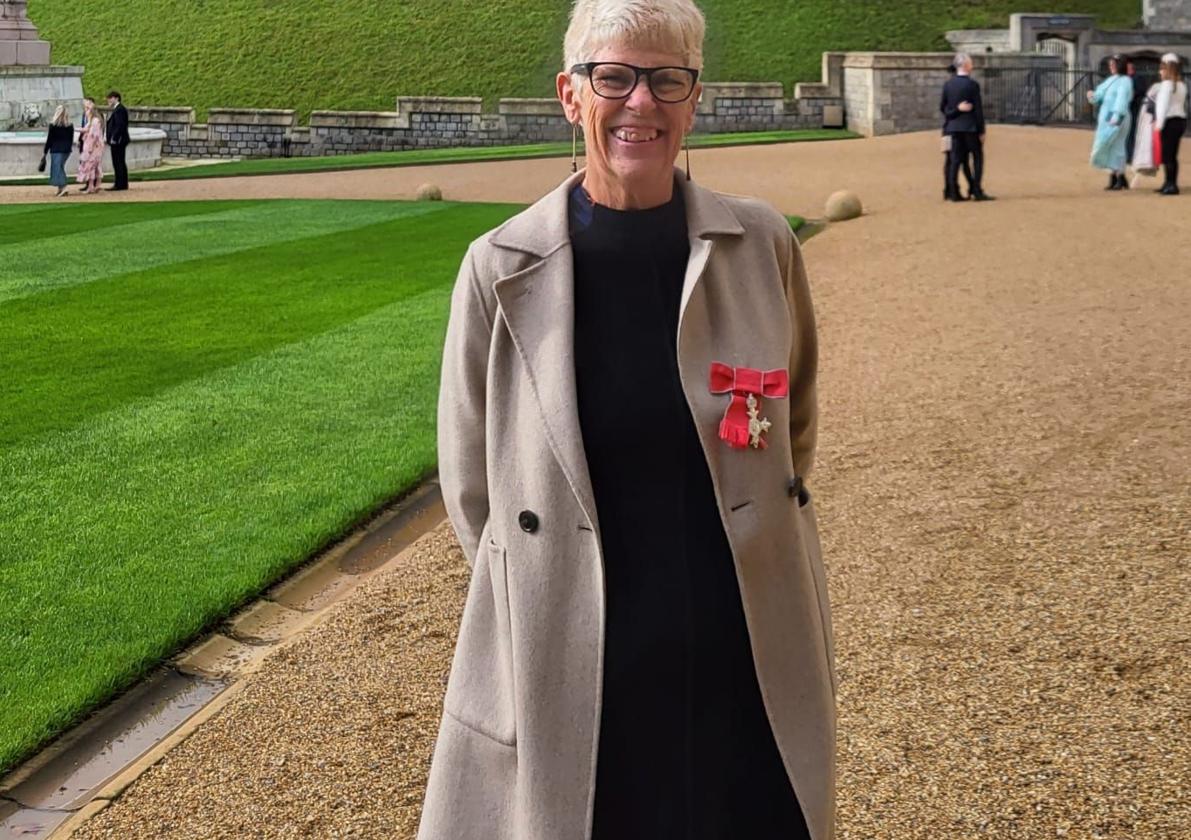
Like David, there is Lauren, who is 29 years old. She arrived in Salobreña in October 2020 and, whether by luck or foresight, managed to regularise her residence status just before the Brexit deadline expired. She works as a freelancer in digital marketing and web development, with clients from the worlds of music and the creative arts.
Related story
-
Brexit referendum - ten years on
Jennie Rhodes
Her family have been travelling to Salobreña since the 1970s. Her father has been spending long periods here for the past 25 years, particularly in the winter. And now, since Brexit came into effect, as he no longer has EU residency, he can't stay for more than 180 days in total per year.
“My dad’s retired and would love to come here in winter, to spend a few quiet months here enjoying the lovely weather. But it’s impossible. He has to work out the dates, keep track of how many days he’s been away, and organise himself so as not to go over the limit. And if he does go over, there are problems.”
Just like Lauren, Alison and Hannah, two friends from London, fell in love with Salobreña and have now been living on the Costa Tropical for about four years. They arrived after Brexit had already come into force, which means they were unable to benefit from the residence rights that did protect those, like Lauren, who moved here before then. To stay and live in Spain, they had to apply for what is known as a ‘non-lucrative visa’, a permit intended for retired people or those with sufficient income to live without needing to work.
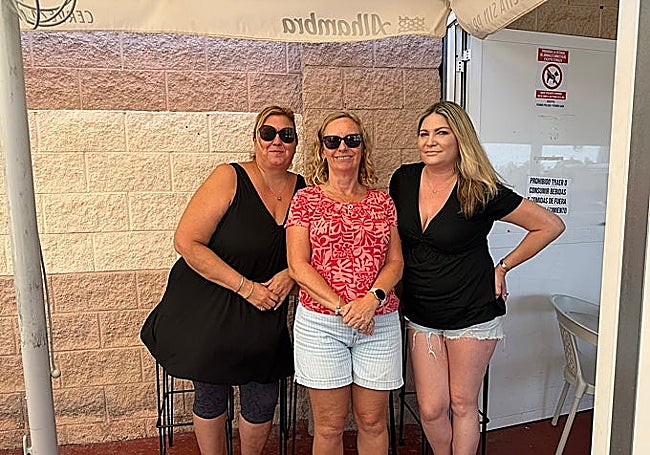
“To be able to move, I had to sell my house in England,” says Hannah. And bring forward her retirement to the age of 55. “We know many Britons who have had to leave, some because they cannot afford to be out of work for five years and others simply because travelling in and out of the country has become such a headache that it is no longer worth it to them,” they say.
The light at the end of the tunnel comes after five years. Once that period has elapsed, they are granted permanent residence and can work as normal, just like any other European citizen.
María del Carmen Martín Orce, the councillor for citizen participation at Almuñécar town hall, explained that among the main social impacts identified in 2026 were greater difficulties in travelling between European countries, an increase in the administrative procedures required for new residencies, the need for specific documentation to prove acquired rights, and challenges relating to the care of older and dependent people within the resident British community.
The town hall has said it is committed to working alongside international residents and will continue to promote initiatives aimed at providing information, fostering integration and offering administrative support, with a view to facilitating harmonious coexistence and the active participation of all residents in the social, cultural and economic life of the town.
![[]](http://static.vocstatic.com/voc26/latest/assets/images/favicon/surinenglish/apple-touch-icon-57x57.png)