
Environment
Thousands of fish die as Guadalfeo riverbed runs dry on Costa Tropical
Environmentalists denounce failure to maintain ecological flow along two-kilometre stretch between Lobres and Salobreña, devastating protected eel and cacho populations
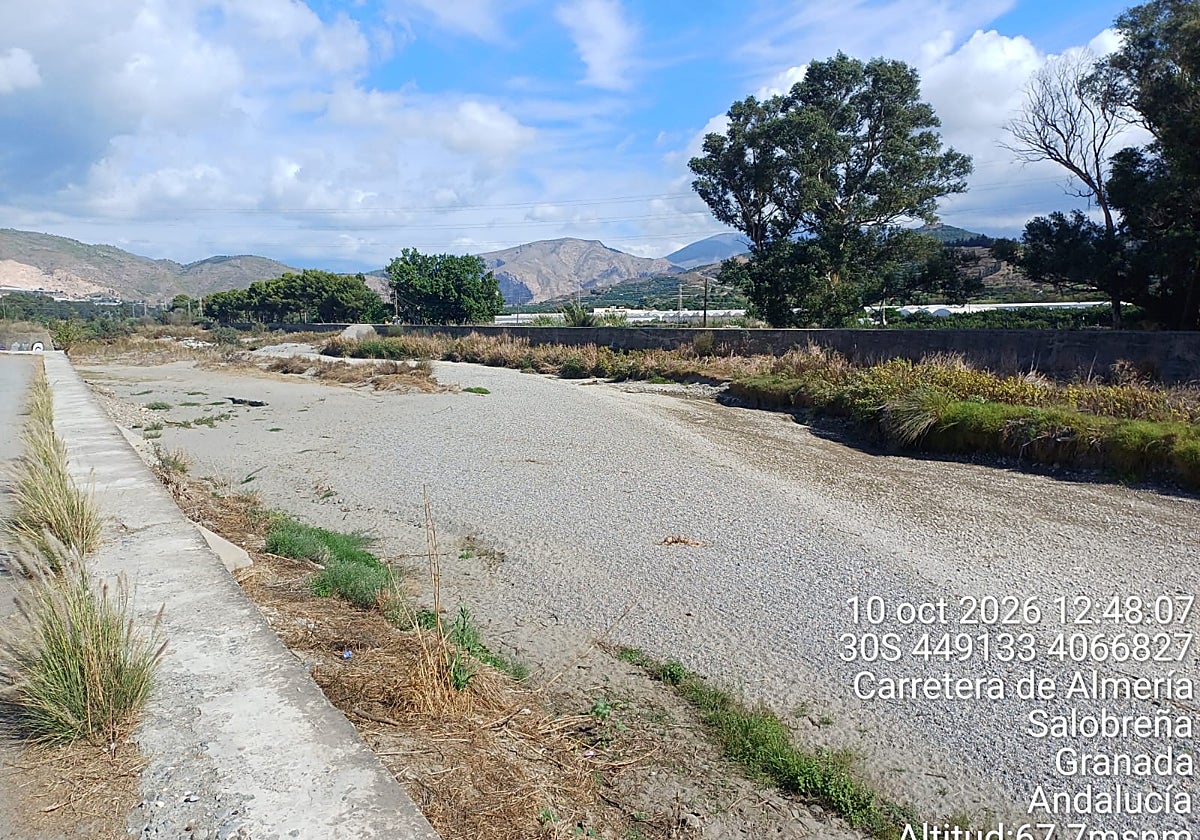
Environmentalists and river biologists on Granada province's Costa Tropical have reported the death of thousands of fish - including two protected species - after a two- ... kilometre stretch of the Guadalfeo river ran completely dry on Saturday 10 October.
The ecological crisis occurred between Lobres and Salobreña when the river’s flow plummeted overnight, trapping aquatic life in rapidly evaporating, sun-heated shallow pools along the dry riverbed.
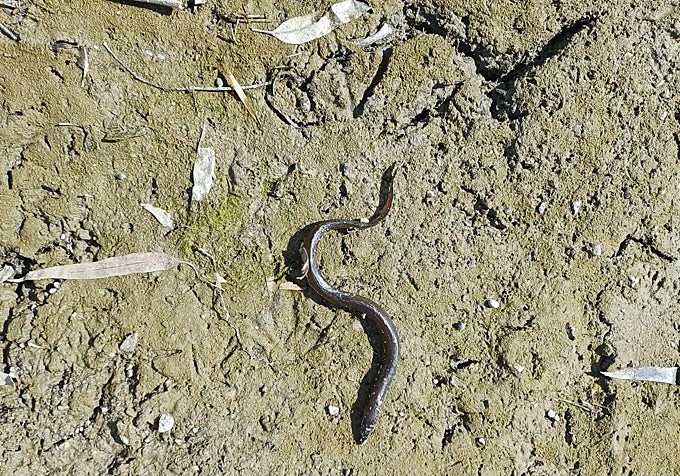
River biologist Pablo Jáimez, who inspected the zone on Saturday morning, identified thousands of dead specimens belonging to two key species: the cacho (Squalius pyrenaicus), a native fish classified as vulnerable in Andalucia, and the European eel (Anguilla anguilla), an endangered species subject to critical international protection..
Jáimez explained that he started to collect the eels in buckets and carried them to a stretch of the river that did have water. In total, he rescued around 30 eels; according to the Association for the Conservation of Fish and Aquatic Ecosystems of the South (ACPES), 28 were saved, while others he collected were already dead. Furthermore, there were many other dead eels on the ground, dried out by the sun.
The reason, as Jáimez explains, is that the ecological flow was not respected: the minimum amount of water which, by law, must flow through a river to keep the fish and the vegetation on its banks alive.
Environmentalists have two theories: either less water was released from the Rules dam in order to meet the needs of both irrigation and the ecological flow, or the amount of water released was sufficient but the irrigators took more from the Vélez weir, the structure that diverts water from the river for crops.
According to ACPES, another factor was that the river course is ‘fragmented’ by dykes and barriers that prevent fish from moving, meaning the fish were unable to escape to areas with water. These structures, they point out, should be removed or adapted to allow fish to pass through.
Jáimez explained that they made calls to the Andalusian regional government and alerted Salobreña town hall as well as a number of environmental organisations. ACPES also contacted environmental officers and the Guardia Civil's nature protection unit, Seprona. By late afternoon and into the evening they had managed to increase the flow rate from 250 to 350 litres per second; an extra 100 litres per second. The dry stretch of river was flooded again, the fish that had remained trapped were able to move freely through the river once more and the current carried away the thousands of dead fish.
Salobreña town hall said that it has contacted Granada's provincial authority, the Diputación de Granada and the Andalusian regional government, as well as those responsible for managing the Béznar-Rules dam system, "to bring the situation to their attention so that they may take the necessary action".
The biologist is confident that it will not happen again, whether out of a sense of responsibility or for fear of legal action. “What has happened is absolutely appalling,” he concludes.
According to reports, over the past few weeks the flow returned to the river at the Vélez weir has exceeded the levels set out due to maintenance and repair work on the weir following the exceptional releases from the Rules dam and the heavy rainfall in the first half of 2026. Normal operations at the weir have recently been restored, making it possible to regulate the flow into the river and conserve resources in preparation for future droughts.
They also point out that: “The series of storms in the winter of 2025–26 also increased the flow rates of other watercourses and springs downstream of the weir during those months, as well as recharging the aquifers. The lack of rainfall has, by contrast, led to a fall in these levels and flows, meaning that virtually all the water flowing through the Guadalfeo comes from the weir’s ecological flow, much of which currently seeps away and ultimately fails to reach the sea”.
Furthermore, at the Vínculo weir, although water is not drawn from the river, surplus flows from irrigation and water supply management are routinely released into it, which adds to the ecological flow from the Vélez weir. This situation is similar to that seen in other periods prior to 2026, when the water also failed to reach the mouth of the Guadalfeo.
"We are going to temporarily increase the flow diverted to the river to alleviate this situation as far as possible, carrying out the necessary measures without affecting the water supply to the public or irrigation. We have opened up a further 100 l/s at Rules so that a little more water reaches the river for the time being."
![[]](http://static.vocstatic.com/voc26/latest/assets/images/favicon/surinenglish/apple-touch-icon-57x57.png)