
Health
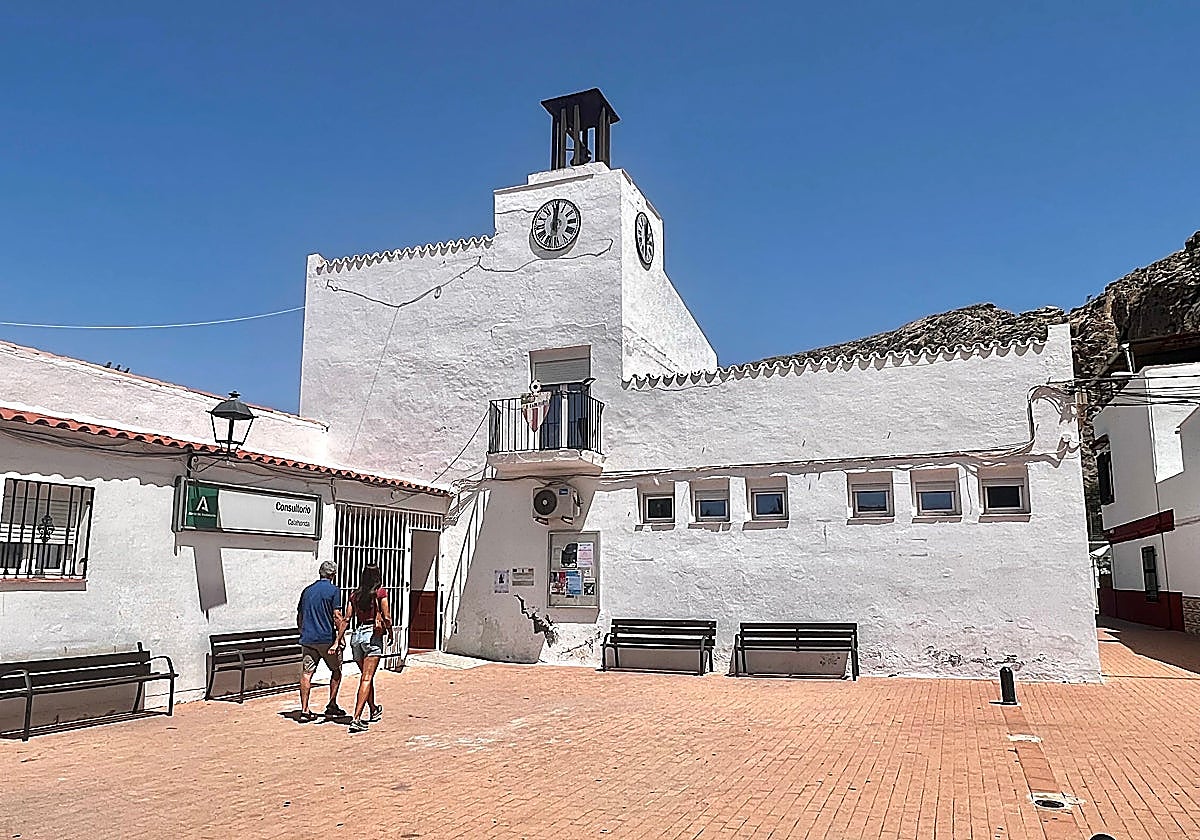
Carchuna and Calahonda health centres left without admin staff following court ruling
The two Costa Tropical towns are calling on the Andalusian regional government to fill these positions that had been covered by two women on cleaning contracts
MJ Arrebola
Motril
Residents and local authorities of Carchuna and Calahonda on Granada province's Costa Tropical are "very worried" after a court ruling has forced the removal of staff members who were carrying out administrative duties at the two towns' public health centres.
The staff, who were being paid by the town halls, were contracted as caretakers and although for years they had been carrying out administrative auxiliary tasks, legally they could no longer carry out these functions because they do not belong to the staff of the Andalusian Health Service (SAS), according to the ruling.
-kmKD--366x256@Diario%20Sur.jpg)
For more than two decades, the Entidad Local Autónoma (ELA) had asked the SAS on numerous occasions to provide the health centres with administrative staff, capable of managing patient appointments and resolving incidents, but they claim that they had always received a "no" answer. For this reason, ELA decided to fill this need with its own resources.
The president of the ELA, Juan Alberto Ferrer, explained to IDEAL that the staff members in question had been at the clinics for years, thanks to the ELA assuming the cost with its own funds. "We knew that without those people at the counter, our residents would be left alone, without appointments, without information. We did it out of institutional responsibility, but also out of humanity," he said.
Ferrer recalls that when the ELA was created, the doctors' surgeries had no administrative staff to give out appointment numbers. So the president at the time decided to create two positions to fill that need and since then these people have worked in the clinics, taking on administrative assistant duties.
Caretakers
Over the years, the workers began to claim that their work should be recognised as that of administrative assistants, as they performed the tasks of that post. However, the town hall maintained that they were still caretakers and that their job category could not be changed, until one of them filed a complaint and the court ruled that they could not continue to perform administrative functions without being contracted to do so.
According to Ferrer, the workers will return to cleaning duties in other facilities, leaving the clinics without administrative staff. He stresses that this will particularly affect older residents or those who are not digitally literate. Most of the users are older people, or those who do not know how to make an appointment online, who do not have the means or digital training and who come to the medical centre looking for someone to see them in person. "The absence of administrative staff will leave many people without the minimum assistance they need," he explained.
There is currently just one doctor and one nurse in each centre, which is "insufficient" to serve more than 5,500 inhabitants. According to the president, the withdrawal of administrative staff threatens to "completely disorganise" the management of medical appointments, prescription refills and care for chronically ill patients. Furthermore, doctors, who are already overburdened, would have to take on the administrative tasks.
The ELA has sent letters to the Junta de Andalucía's spokesperson for health and the SAS, demanding that the administrative positions be filled immediately. "Ideally, the Andalusian authority should integrate these people into the SAS as administrative assistants, or put other staff in their place and pay their salary, because that is not our responsibility," declared the president.
IDEAL has contacted the Junta de Andalucía but at the time of going to press, no reply had been received.
![[]](http://static.vocstatic.com/voc26/latest/assets/images/favicon/surinenglish/apple-touch-icon-57x57.png)