
Human trafficking
The drug traffickers who offer trips to Almeria on TikTok
Young people who pilot high-speed boats organised by criminal gangs post videos of their journeys on social media, where they offer places to transport migrants from Algeria to coves in Cabo de Gata for an average of 12,000 euros

Nerea Escámez
Almería
The illegal people-smuggling trade in the Mediterranean has spread via social media and now criminal gangs are using TikTok as a platform to sell ‘ ... tickets’ on board high-speed speedboats bound for the coast of Almeria province and specifically, the coves of the Cabo de Gata-Níjar natural park.
In various online posts, operators offer migrants from Algeria clandestine crossings in rubber dinghies capable of evading the security forces. It is on this social media platform, which lacks filters to block such illegal content, which criminals have found the perfect marketplace to profit from illegal crossings and transport people to inaccessible coves’ The adverts, viewed by IDEAL, number in the dozens.
Getting on a drug-smuggling boat isn’t free. Passengers have to pay up to 12,000 euros for a place, according to sources close to the investigation speaking to IDEAL. While a couple of years ago the cost of crossing the Mediterranean Sea in a small boat was around 3,000 to 5,000 euros, the promise of evading the Guardia Civil's radar at speeds of over 130 kilometres per hour has driven up the black market price to between 10,000 and 12,000 euros per passenger.
A single journey carrying 50 migrants could generate half a million euros in gross revenue for criminal syndicates in a matter of hours. Added to this are the additional profits they make from smuggling drugs, as well as the business of supplying fuel to drug-trafficking speedboats, known in police slang as ‘petaqueo’.
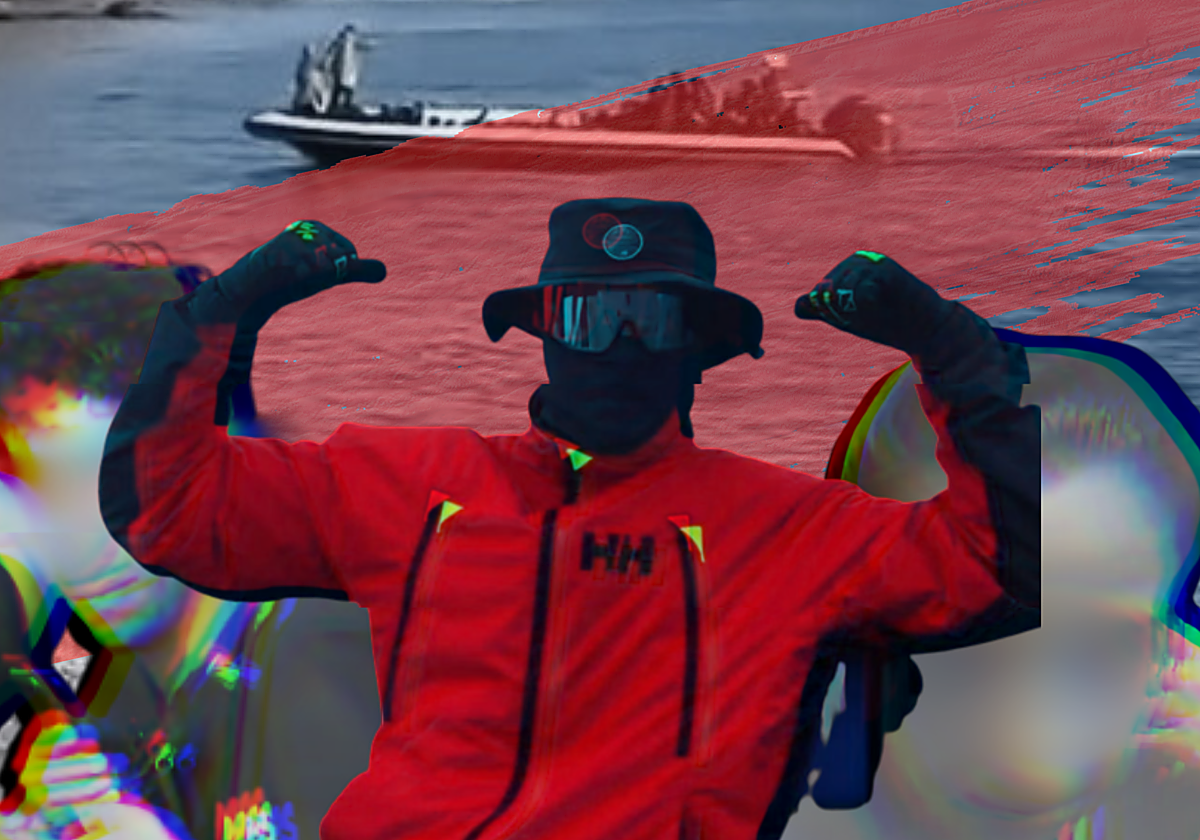
The videos, which are already under investigation, speak for themselves. The 'captains', mostly young people under the age of 18 recruited by criminal gangs to carry out this work, advertise these journeys and boast about how fast they go on the open seas.
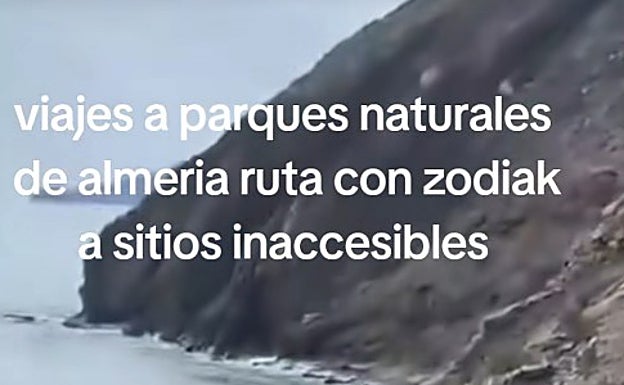
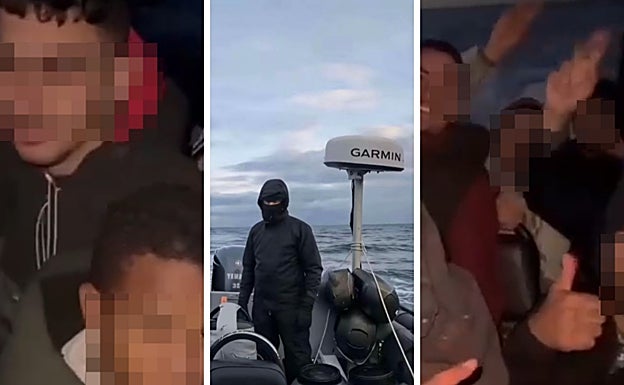
In his account, one of the captains of one of the speedboats is shown wearing a balaclava and goggles to avoid being recognised while filming the journey through adverse weather conditions that could endanger the lives of those on board, or showcasing his day-to-day life on the high seas.
In other images, he boasts of undertaking what he calls "trips" to the various coves in the Cabo de Gata Natural Park-Níjar with a "second group", meaning he has already returned from an initial trip to drop off Algerians at the coves and is heading back for another group. He then turns the video to show the passengers on the drug-smuggling boat, who are completely crammed in with no room to move.
Passengers, out in the open
Although he hides his face to avoid being recognised on social media, he has no qualms about showing his passengers, who wave to the camera with their faces uncovered. Sometimes they are adult men and at other times they are young children.
And what happens once they reach these ‘inaccessible’ areas? After landing, in most cases they are intercepted by the Spanish authorities – one of the videos shows the Guardia Civil attending to migrants in a cove at Rodalquilar where deportation proceedings are initiated to send them back to their country of origin, which usually leads to an asylum application or support from NGOs. If they are a minor, they will be placed in the care of the relevant regional government, in this case, Andalucía.
The testimonies gathered by investigators from the National Police and the Guardia Civil during recent operations paint a harrowing picture of the situation on board. Those who leave their country board the vessel to embark on a journey across the high seas, during which they are subjected to death threats, physical assaults and intimidation at gunpoint.
On land, the situation is no less brutal: settling of scores, kidnappings for ransom between rival gangs vying for control of smuggling hideouts, and gun-point raids are the norm in a business where human life is valued as nothing more than cargo.
The latest operation by the National Police demonstrates the cruelty of the members of these criminal organisations. Following the dismantling of one of the largest criminal networks specialising in maritime human trafficking in the Mediterranean, 36 people were arrested in Almeria province.
The gang members would tie up their passengers to prevent them from falling overboard during the journeys to Almeria. This criminal network maintained a strict internal control system based on intimidation, threats, coercion and extreme physical violence.
Almería, a ‘logistics hub’
It is also one month since a small boat carrying migrants arrived on the coast of Carboneras, where Guardia Civil officers found two dead migrants whose bodies showed signs of violence. Initial theories ruled out any impact with the rocks as they disembarked from the drug-smuggling boat. For the time being, the investigation remains open pending clarification of what happened.
In recent years, both the National Police and the Guardia Civil have focused their efforts on dismantling these organised crime networks, which use the province of Almería as a logistical hub for their activities. Among other measures, officers are dismantling their onshore infrastructure by raiding clandestine workshops and substandard accommodation where the drivers wait.
Furthermore, they are working hard to dismantle fuel depots and break the ‘petaqueo’ supply chain to prevent other organisations from being supplied. However, as long as the Mediterranean Sea remains the setting for a three-hour crossing that commands a premium price, the drug-smuggling speedboats will continue to come to the coast of Almería in a race where impunity and risk are measured by the roar of the engine.
![[]](http://static.vocstatic.com/voc26/latest/assets/images/favicon/surinenglish/apple-touch-icon-57x57.png)