
Wildlife
29 loggerhead turtles released into the Mediterranean Sea in Almeria province
The chicks hatched from two nests discovered in 2025 in Mojácar and Roquetas de Mar and have spent months in specialist care before going back into their natural habitat
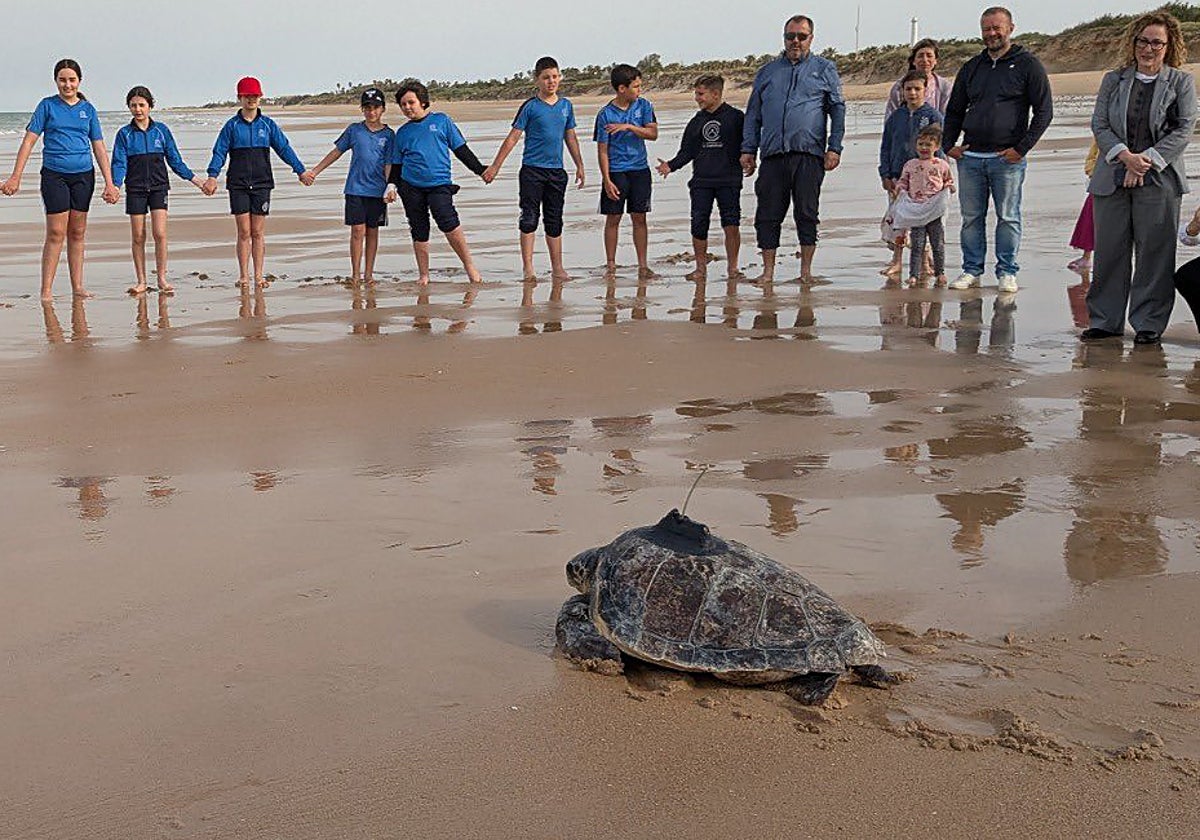
David Roth
Almería
The loggerhead turtle is a threatened species that undertakes long journeys throughout its life cycle. Although they spend most of their lives in the water, ... the females return to land to nest, usually during June and July.
This year, of the 35 turtles that the Andalusian regional government has released back into the sea, 29 have something in common: they were born on beaches in Almeria province.
These turtles come from the two nests discovered in summer 2025 in Mojácar and Roquetas de Mar and now, after months of care, veterinary checks and controlled rearing, they have been released into the Mediterranean Sea, following the same path their mothers took when they came ashore to lay their eggs.
The releases, which took place over six days, enabled turtles with very different stories to be returned to their natural habitat. Some were found with injuries or were barely able to move when they were discovered; others were accidentally caught by fishing boats and the remaining 29 began their journey much earlier, on two beaches in Almeria province during the 2025 breeding season.
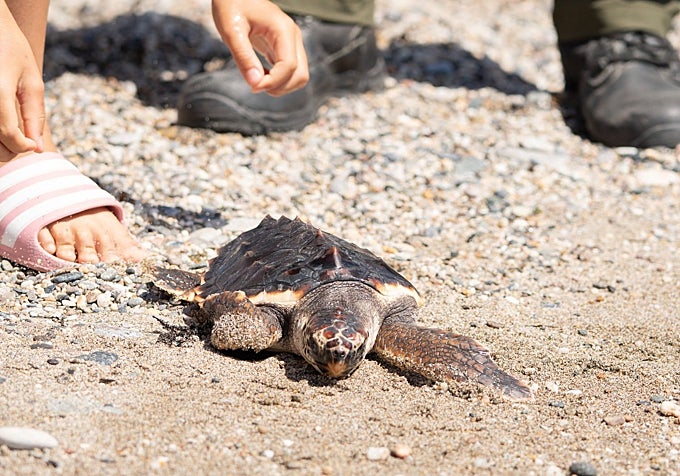
The largest group consisted of the 27 turtles hatched from the nest discovered last June on Piedra Villazar beach in Mojácar. It all began when the town hall alerted the emergency services (112) after spotting a sea turtle that appeared to be trying to dig into the sand to lay its eggs.
The report triggered the protocol for dealing with sea turtle nesting events. The area was marked out, monitored and inspected to assess the risks posed by tides, storms or possible flooding. Ultimately, the location meant it was advisable to move the eggs to a safer place.
The nest contained 99 eggs, seventy-nine of which were laid on the beach at Río Abajo and a further 20 were transferred to the Oasys MiniHollywood facilities in Tabernas for controlled incubation. Between 11 and 16 August 2025, 37 hatchlings emerged from the eggs kept on the beach and a further 13 from those transferred to the incubator. A subsequent check of the nest led to the recovery of a further six hatchlings, bringing the total number of hatchlings to 56.
Those young specimens then began a phase of life very different from the one they would have experienced in the wild. They were transferred to the Andalusian Marine Environment Management Centre (Cegma) in Algeciras, where they began a programme of care, monitoring and controlled rearing. Over the following months, they underwent weekly weigh-ins, individual veterinary check-ups and monthly measurements to monitor their growth and development.
The Costa de Almería aquarium took part in the rearing of several specimens, alongside Selwo Marina, providing a home for some of the turtles during the process and helping to monitor their progress.
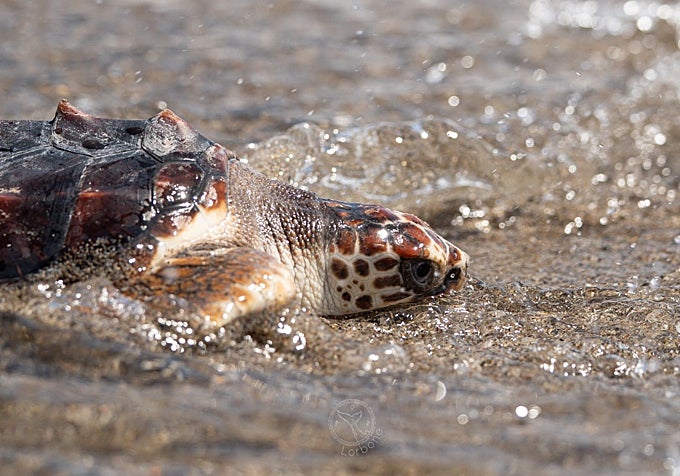
Finally, on 15 June, the 27 turtles were released in Mojácar. All weighed over 1.2 kilos, were behaving normally and had reached a level of physical fitness and health suitable for returning to the wild. Almost a year after that operation began with the discovery of the nest, the little turtles returned to the Almería coast.
Furthermore, on 30 July 2025, another nest was found in Roquetas de Mar, the second to be recorded along that stretch of coastline during that season. The teams recovered 38 eggs and transferred them to the Bioparc facilities in Fuengirola for controlled incubation.
Only two hatched on 22 September, after 53 days of incubation. The hatchlings spent their first few months at Cegma in Algeciras and subsequently returned to Almería to continue their development at the Aquarium Costa de Almería, where they remained in controlled conditions with the aim of increasing their chances of survival.
On 24 July, the time came to release them back into the sea. The release took place on Serena Beach in Roquetas de Mar, where the two specimens returned to the coastline where their story began. By then, they weighed nearly two kilos, measured around 20 centimetres and had reached the stage of development necessary to fend for themselves in the wild.
Around twenty children from a local council-run summer camp attended the release and also took part in an environmental education session run by the Seashore Association. During their stay at the Costa de Almería aquarium, the two turtles had also featured in awareness-raising programmes on ocean conservation and the threats facing marine species.
From Almeria to the rest of the Andalusian coast
The other six turtles released by the regional government this year arrived at the rehabilitation centres under very different circumstances. Four were treated through the stranding programme and the other two were admitted via the SOS Caretta project run by the Hombre y Territorio Association, in collaboration with the fishermen’s guilds, after being accidentally caught while fishing.
The first releases of the year featured Boychi and Charlie, two turtles weighing seven and two kilos respectively, which were returned to the sea on 24 March from La Herradura beach in Almuñécar. Two biologists had spotted them floating in waters near the Costa Tropical town, with little ability to move. After being taken to the Cegma centre in Algeciras, they received veterinary care and rehydration, and, following a month of treatment, they regained sufficient physical condition to return to the sea.
On 5 June, Manuelita and Barbara were released on Getares beach in Algeciras. Manuelita had been found by a member of the public on that very same beach, with severely restricted mobility and a large amount of seaweed and shell fragments clinging to her shell, head and fins. Barbara, meanwhile, was found stranded on Santa Bárbara beach in La Línea de la Concepción during a day of strong easterly winds.
Both were set to undergo a rehabilitation programme at Cegma, where they gradually regained their mobility, improved their physical condition and steadily put on weight until they regained an adequate swimming ability.
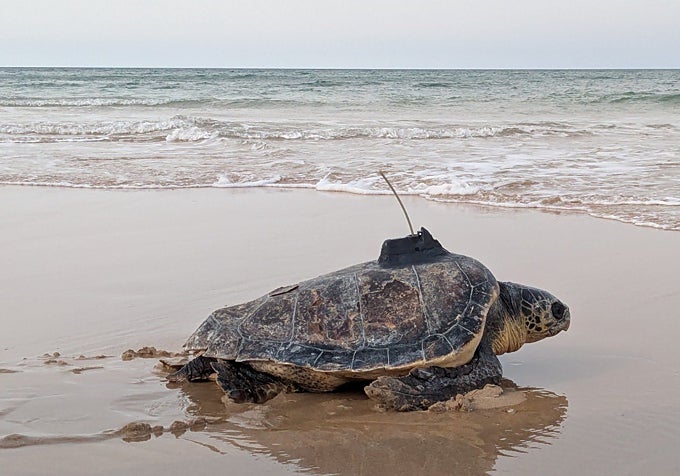
There was also room for turtles affected by fishing activities. ‘El Guapo’, an adult male weighing 43 kilos, arrived at the centre with the help of the Sanlúcar de Barrameda fishermen’s guild. He was suffering from mild dehydration and had a cut on his left hind flipper. After receiving treatment and care, he was released on 21 April.
As he was an adult male and his return coincided with the start of the breeding season, the teams took the opportunity to fit him with a satellite transmitter in order to track his movements over the following months.
Antonio, a juvenile turtle weighing four kilos, was found by the vessel Niño Juan Manuel, which also belongs to the Sanlúcar de Barrameda Fishermen’s Guild. Although Antonio was in good physical condition, he had an injury to his right front flipper, as well as mild dehydration and small ulcers on its plastron. Antonio was released on 17 July, after receiving treatment.
![[]](http://static.vocstatic.com/voc26/latest/assets/images/favicon/surinenglish/apple-touch-icon-57x57.png)