
Axarquía
Raisins, bandits and more. Ten museums that preserve the essence of the Axarquía
Visit the east of Malaga province at any time of year to learn about the wine, Unesco status and the connection with the USA
Jennie Rhodes
Whatever time of year you come to the Axarquía, the area to the east of Malaga province, you can learn about traditions, customs and history through the area’s many museums. This goes from the Phoenicians, Romans and the Islamic period of Al-Andalus, to the notorious bandits that roamed the hills during the 18th and 19th century.
Why does one tiny village, home to just 500 people, celebrate American Independence Day and where did a builder unearth a hidden 16th-century Quran? Never experienced the intensity and passion of Holy Week (Semana Santa)? There’s a museum in Vélez-Málaga where you can learn about the most important religious festival in the Andalusian calendar.
The museums are often modest in size, but they tell fascinating stories and create a journey through more than 2,000 years of local history. Here’s a pick of 10 must-see museums that should be on your Axarquía itinerary.
1
Villa Antiopa in Rincón de la Victoria
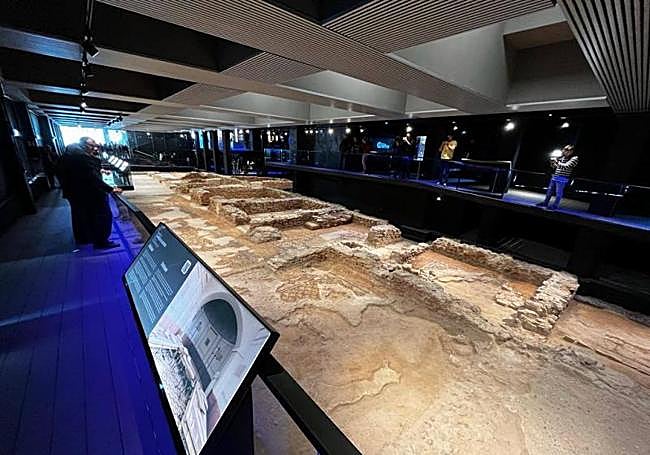
This Roman villa takes you back to the Axarquía of the third century AD. It was a wealthy coastal villa whose remains include beautifully preserved architecture, mosaics and evidence of the way its inhabitants lived and worked. The site also reflects the importance of the sea and marine resources to the Roman economy, such as salting fish and the garum fermented fish sauce which was used to preserve food.
2
Gálvez museum, Macharaviaya
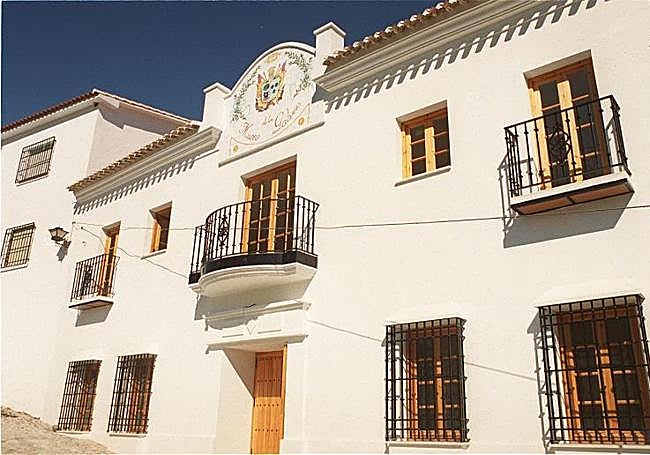
This tiny white village is associated with the Gálvez family and particularly Bernardo de Gálvez, the Spanish military leader and governor who led the Battle of Pensacola during the American War of Independence.
The Museo de los Gálvez explores the family and their international importance and has become a focal point for the extraordinary connection between Macharaviaya and the United States, with annual 4 July celebrations, including a reenactment of the battle and locals dressed in period costume.
3
Galería del Bandolero in El Borge
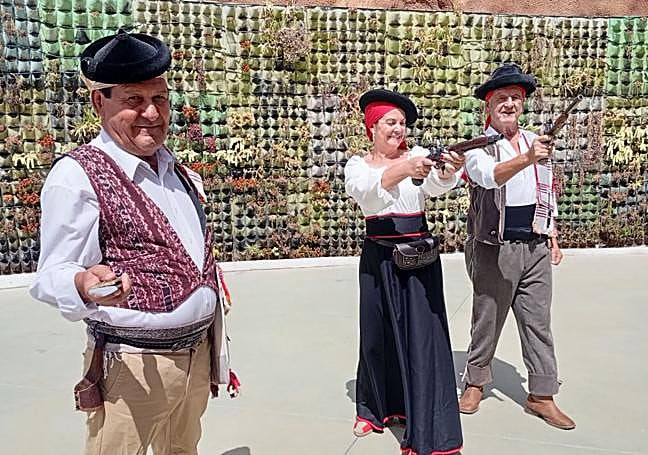
This is home to Andalucía’s biggest collection of artifacts related to banditry. The museum explores the world of the Andalusian bandolero, part historical figure, part outlaw and part romantic legend.
The collection covers weapons, clothing, documents, newspapers, illustrations, photographs, objects and material associated with the bandits, travellers and authorities who populated the romantic imagination of nineteenth-century Andalucía. El Borge is the birthplace of one of the area’s most notorious bandits, Luis Muñoz, ‘El Bizco del Borge’. Visit La Posada del Bandolero in the village for lunch and learn more about him.
4
Raisin Museum, Almáchar
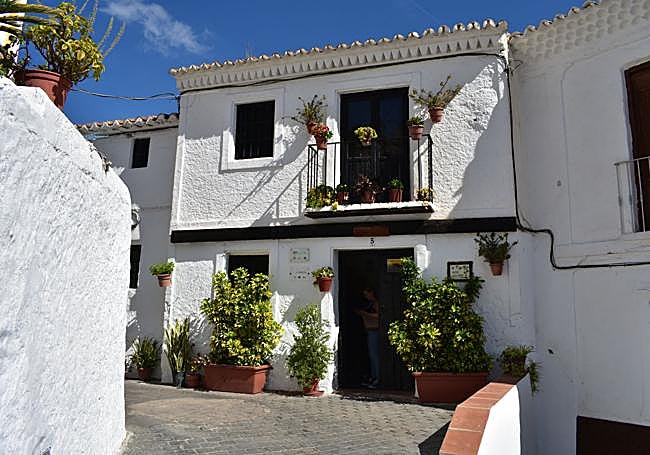
Almáchar is one of the heartlands of the traditional production of Malaga raisins. Its Museo de la Pasa (raisin museum) explains how grapes become raisins, preserving the tools, techniques and everyday objects associated with this centuries-old agricultural tradition.
The centuries-old process of cultivating and drying the grapes to turn them into raisins (pasas) was recognised by Unesco through the Globally Important Agricultural Heritage Systems (GIHAS) programme of the Food and Agriculture Organization (FAO) in 2017.
5
Casa Museo Axarquía, El Valdés (Moclinejo)
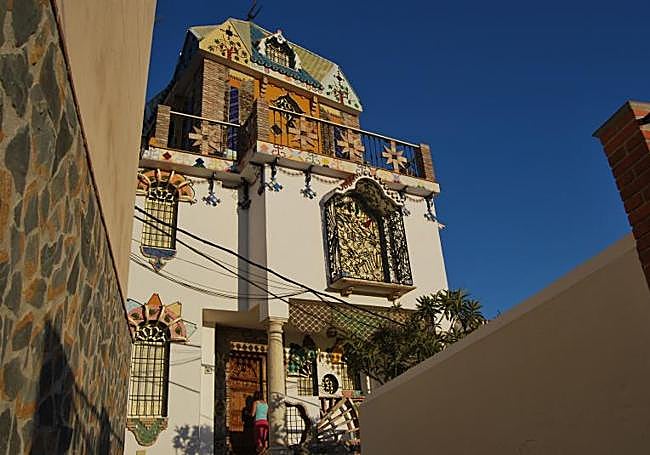
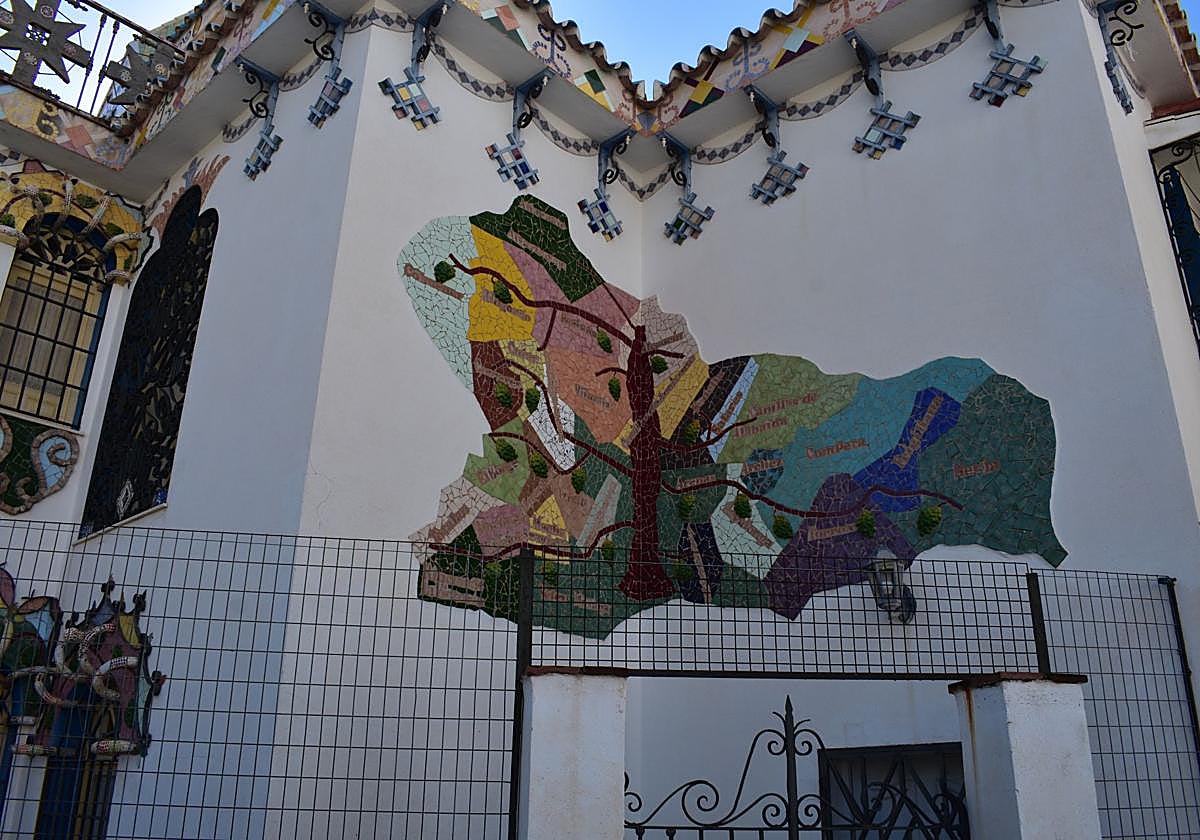
The fascinating house-cum-museum was constructed mainly from rubble by resident Antonio Montañez in 2005 and pays tribute to the traditions of the Axarquía as well as local craftsmanship.
From carved chameleons that form part of the wooden bannisters which climb the winding staircase up the four floors of the house, to bunches of grapes in the windows and a map on the wall which shows every one of the 31 pueblos that make up the east of Malaga province, everything about the house is a celebration of the Axarquía. The house is open to the public by prior appointment.
6
Riogordo Folk Museum
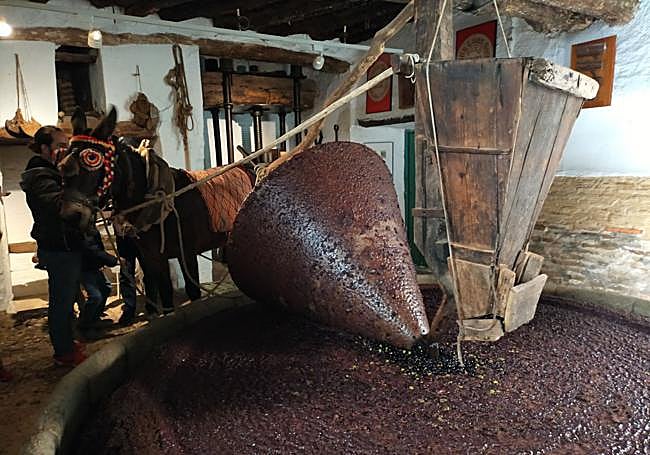
The Museo Etnográfico offers an insight into traditional rural life and the agricultural economy of the Axarquía and pays particular tribute to the historic production of olive oil. The museum and the surrounding landscape help explain how deeply agriculture shaped everyday life: the tools, techniques, seasonal work and food traditions were all interconnected.
7
The Nerja museum
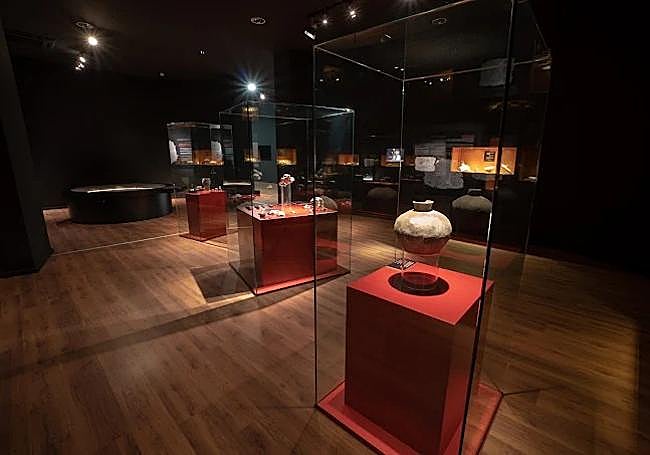
This is closely associated with the famous Cueva de Nerja. It provides the historical context that helps explain why the caves are so significant. The museum explores the prehistoric communities who lived in the area, as well as the later Phoenician, Roman and medieval periods.
8
Muvel Vélez-Málaga
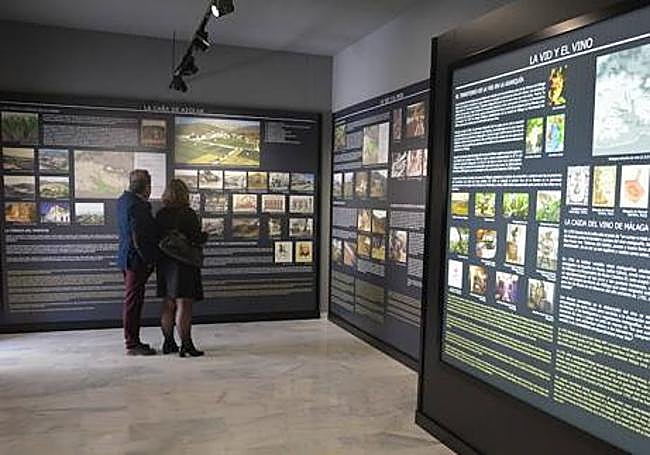
This is situated in the former San Juan de Dios hospital and houses a permanent collection of over 800 items, which take visitors on a journey through the history of the Axarquía.
It covers prehistory, the Phoenician era, the Iberian-Punic and Roman periods, the Islamic era, the Modern Age and the Enlightenment, providing visitors with a fascinating insight into the different cultures that have influenced the Axarquía.
9
Semana Santa Museum, Vélez-Málaga
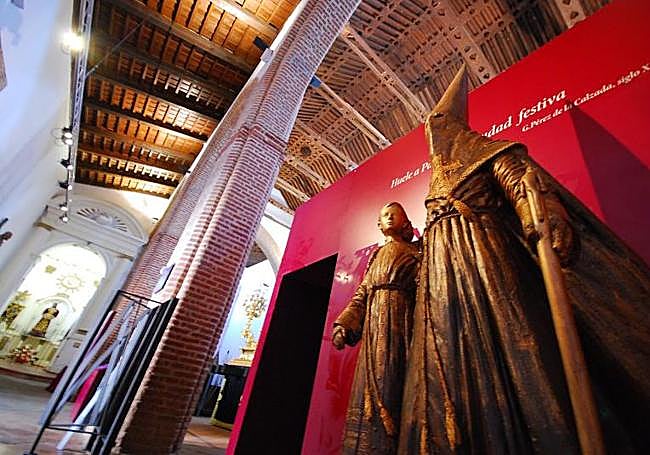
Housed in the former Santa María de la Encarnación church in Vélez-Málaga, the museum explains one of the most important traditions in the town’s cultural calendar. Semana Santa in Vélez-Málaga and indeed across Andalucía, is not simply a religious celebration, it is a living part of local identity, involving historic brotherhoods, music, costume, craftsmanship and centuries of tradition. The museum is usually closed during Semana Santa itself, as most of the items on display are used in the processions.
10
The Alquería de Cútar
In 2003 a collection of Arabic manuscripts was discovered hidden inside a house in Cútar when local builder Miguel Lozano Ruiz and his son were carrying out work to renovate a house in the village. The collection included volumes and loose documents, including a Quran and other manuscripts dating from the Al-Andalus period. The Alquería exhibits copies of the manuscripts and offers a remarkable glimpse into Muslim life.
