
The Bottom Line
Between a rock and a hard place
If the polls are right, in Spain's upcoming general election we could be again looking at a very fragmented congress with no clear winners and a hotchpotch of smaller parties holding the keys to governability
David Andrews
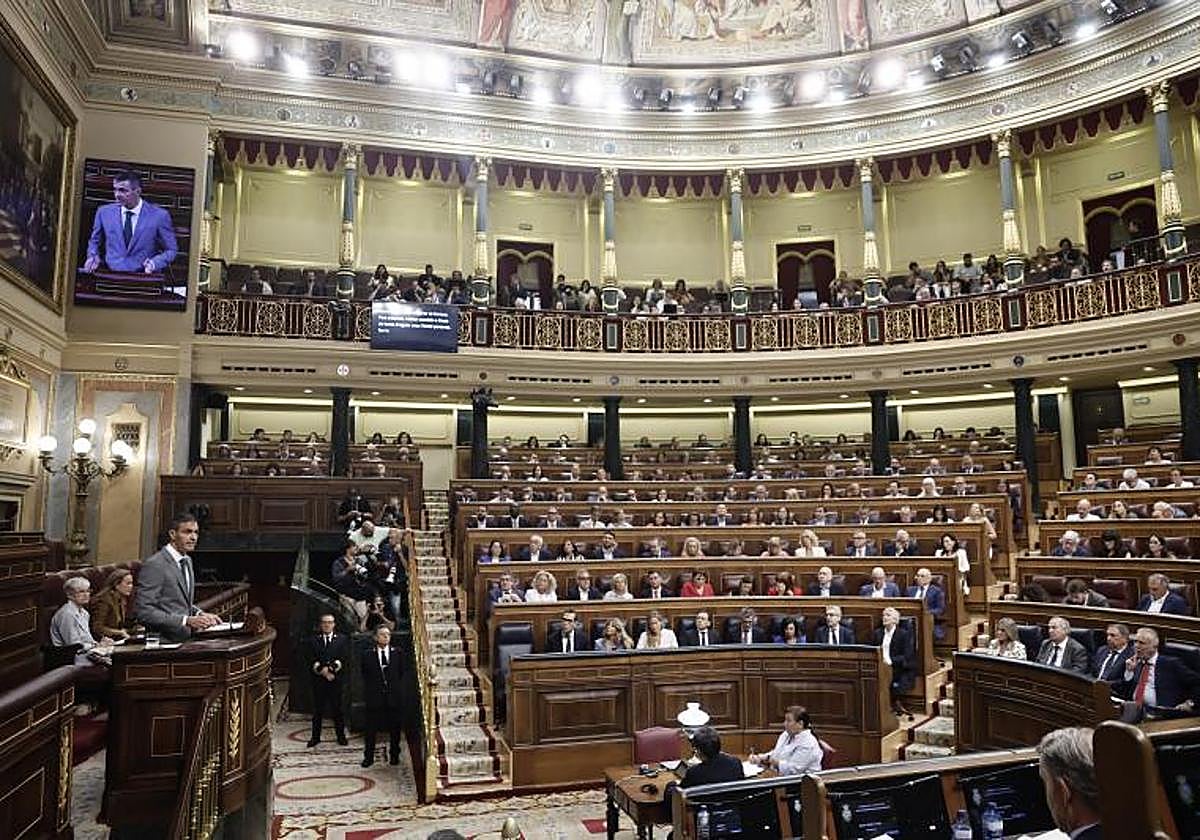
Unless you've been living under the aforementioned rock, you'll be aware of the upcoming national elections on 29 November. Following the attempt by the government, in extremis, to pass two bills to alleviate the on-going housing crisis, on the back of the indignation resulting from the eviction of “Maricarmen”, the Spanish prime minister called “earlyish” elections.
The writing has been on the wall for the government for months (some would say years). A minority coalition, dependant on the votes of a profusion of different parties, has lumbered through the last couple of years with an almost impossible task; trying to get things done while keeping everyone happy. When you have a myriad of parties, seven in total with very different sensibilities and goals, propping up a minority coalition, appeasing their demands can appear to be mission impossible. And it has been. If you add to this a disastrous inability to communicate the most basic government policy, even when beneficial to the majority of Spaniards, then you have the perfect storm; creating the sensation that the government is both supine and ineffectual.
It's worth bearing in mind the origins of this “Frankenstein government” (the words of the opposition, not mine): a vote of no confidence in 2018. Drowning in corruption, the PP president (Mariano Rajoy) was ousted from government by virtually every other party in the parliament. Since then, this “consensus”, which is basically that anything is better than letting the right-wing party back into power, has kept successive progressive governments afloat. The PP's constant dalliances with the far-right (Vox) mean that regional parties, whatever their political inclinations, have generally supported the coalition parties. The ruling PSOE party has also not been exempt from its own particular corruption scandals and has recently seemed to be floundering in a quagmire of its own making and that of its partners.
The PP, waiting in the wings for the right moment (or elections) to retake command and who will need the support of Vox, don't seem to be aware of the aversion that this far-right organisation generates among more progressive-leaning voters. Many of these are galvanised into turning up at polling stations just to keep this extreme party out of the public institutions. Although the Overton Window has definitely moved in the last ten years, the Spanish worry about the changes that a self-confessed anti-EU, racist, misogynist and homophobic party will exert on some of the most liberal legislation in Europe. While the PP plays down the power that their minority partner would have in a probable coalition pact, the experience of the PSOE with their more-left-leaning partners in the last eight years would highlight the contrary to many people.
If the polls are right, we could be again looking at a very fragmented congress with no clear winners and a hotchpotch of smaller parties holding the keys to governability. There is the very real possibility of a hung government or a laborious, multi-factional congress unable to pass the bills that the country is clamouring out for and more years of political stagnation and immobility. Just what we needed!
