
Tourism
Marbella to allow hotels to increase their height and floor area to boost modernisation
The town hall has adopted the measures the regional government approved during the Covid-19 crisis, also making them available to buildings that do not comply with planning regulations
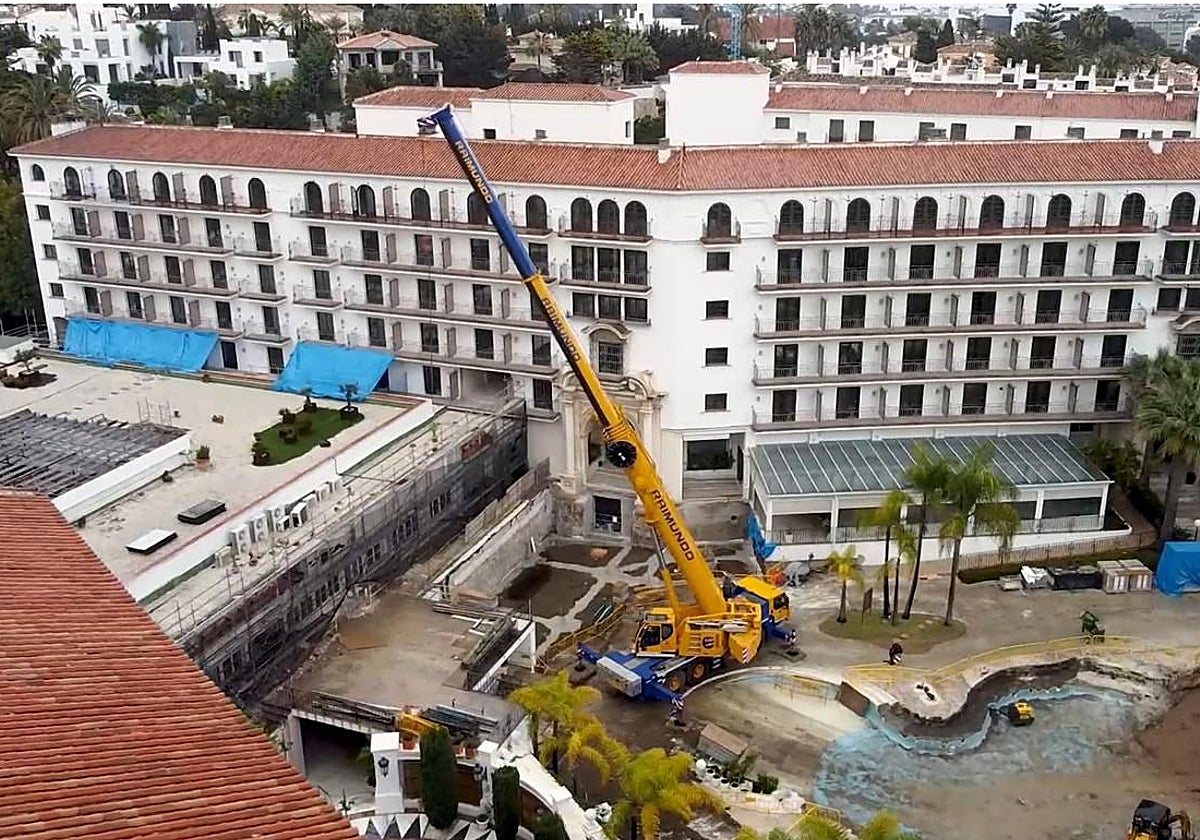

Marbella
Marbella is set to drive forward the modernisation and improvement of its hotel infrastructure. The town hall is currently processing an amendment to the 1986 ... urban planning regulations, which still govern planning despite the approval of the new PGOM (general urban development plan), to allow existing tourist accommodation establishments to increase their buildable area and add an extra storey above the roof.
The change aims to encourage the comprehensive refurbishment of hotels, upgrades to higher categories and the provision of complementary services to combat seasonality.
The scope of the measure is particularly broad: all tourist establishments on urban land that occupy the entirety of one or more buildings and are registered with the Andalusian tourism register will be eligible, including those properties that are currently in breach of planning regulations.
This initiative builds on the exceptional legal framework the regional government of Andalucía approved in the wake of the Covid-19 crisis. Law 6/2021 on measures for the renewal and modernisation of the tourism sector provided a lifeline at the time and acted as the catalyst for some hotels in Marbella to carry out ambitious refurbishments, renovate their facilities and enhance their offering without urban planning regulations acting as a brake on investment.
Now, the town hall is consolidating this spirit of flexibility by incorporating these incentives permanently into planning legislation.
Legally existing tourist accommodation establishments that hold the relevant operating licence will be able to increase their authorised floor area by up to ten per cent. This increase will apply regardless of the planning zone in which they are located and will also affect the maximum plot coverage.
To qualify for this extension, businesses must justify the need for the project on the basis of four criteria: compliance with new regulatory requirements; the general modernisation of the property; the improvement of ancillary services designed to reduce seasonality; or an upgrade of the hotel's classification or category.
Furthermore, the text allows for this additional ten per cent of floor space to be used to increase the venue's accommodation capacity.
Attics
One of the most notable new features of the reform is the possibility of increasing building height. Hotels will be able to add one further storey on top of the maximum height already built or that permitted under the planning regulations (whichever is greater).
However, this extension will be subject to two specific conditions: the installation of auxiliary technical elements (such as stairwells, lifts and services) or the provision of complementary facilities on the roof. Establishments will be able to set up restaurants, gyms, spas, solariums or swimming pools on their rooftops, but under no circumstances may they create additional guest rooms. These rooftop structures will legally be classified as attic floors.
Construction projects authorised under this framework will also have scope to reorganise existing building volumes, redistribute authorised hotel rooms and utilise the subsoil for residential purposes, with the exception of accommodation.
