
Health
Two Malaga province hospitals develop AI to answer most intimate questions about sexual health
The Prisma project will provide reliable, personalised information on the most sensitive issues, which are often not addressed during consultations
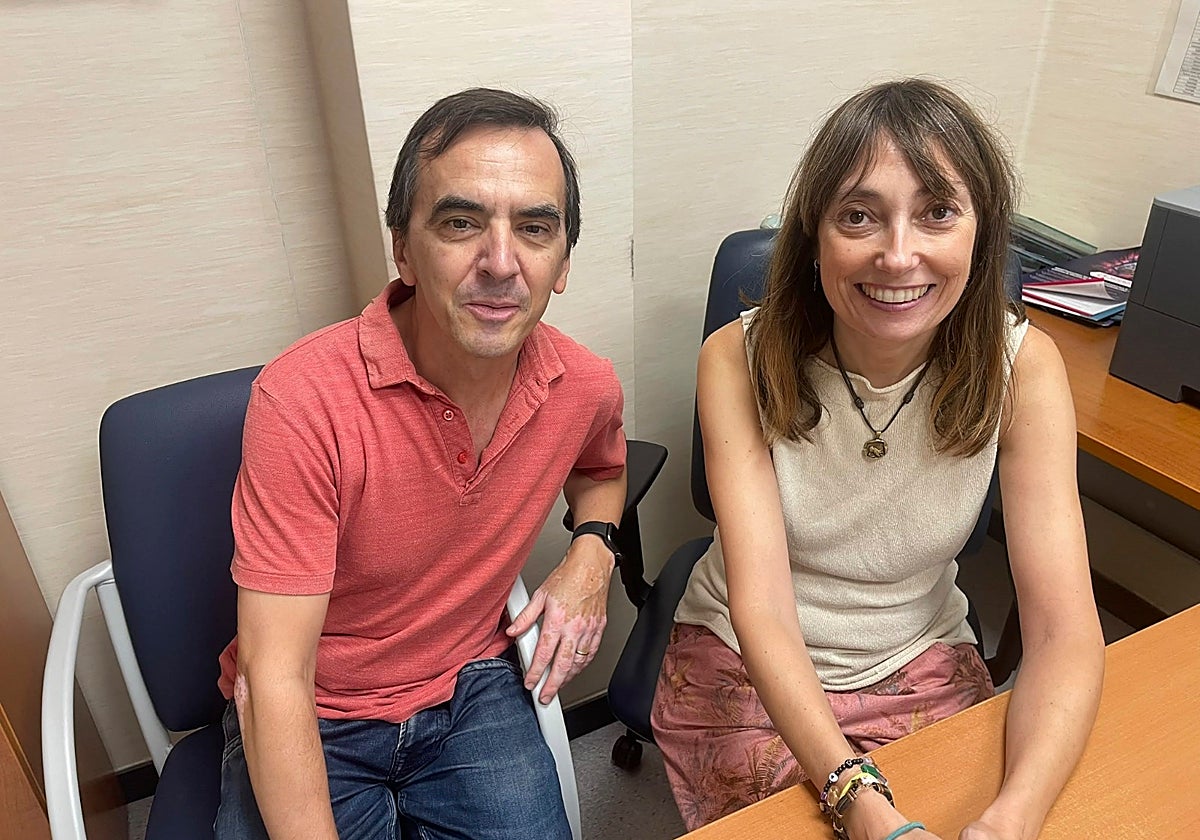

The Costa del Sol hospital in Marbella and the Regional Universitario hospital in Malaga have developed the Prisma project (prevention and immediate response in sexual ... health and its management in Andalucía), the ultimate aim of which is to develop a multi-platform conversational tool based on AI (artificial intelligence) that provides users with reliable, understandable and personalised information on sexual health.
In other words, patients will be able to ask the most intimate questions, questions they might not dare to ask during a consultation.
There is a key aspect to this tool, as its development has involved not only healthcare workers and developers but also potential users: people living with HIV, users of pre-exposure prophylaxis, university students and teachers.
This process will enable identification of the main information needs, frequently asked questions, the ways in which questions are phrased and user preferences. This will then be used to develop the tool's content, knowledge base and interaction patterns.
Questions that are often not raised during a consultation will be answered in a simple, approachable and confidential manner, the regional ministry of health says.
Behind the Prisma project is a multidisciplinary team, bringing together experts from the fields of health sciences, social sciences, linguistics and artificial intelligence. This enables the development and piloting of a conversational assistant (chatbot), combining clinical and HIV prevention expertise with skills in research, psychology, education, communication and artificial intelligence technologies, whilst integrating the clinical, epidemiological, psychological, educational, linguistic and technological dimensions of the project.
Consequently, this structure ensures that the chatbot does not merely provide information, but is able to offer comprehensible, contextualised and prevention-focused responses, while maintaining standards of scientific rigour and ensuring that it is tailored to the needs and characteristics of its users.
Furthermore, it is intended as a tool to complement healthcare and not as a substitute for healthcare workers, aiming to facilitate access to information and guidance and to enable people to make informed decisions about their sexual health.
